Why can some people get tooth decay more easily?
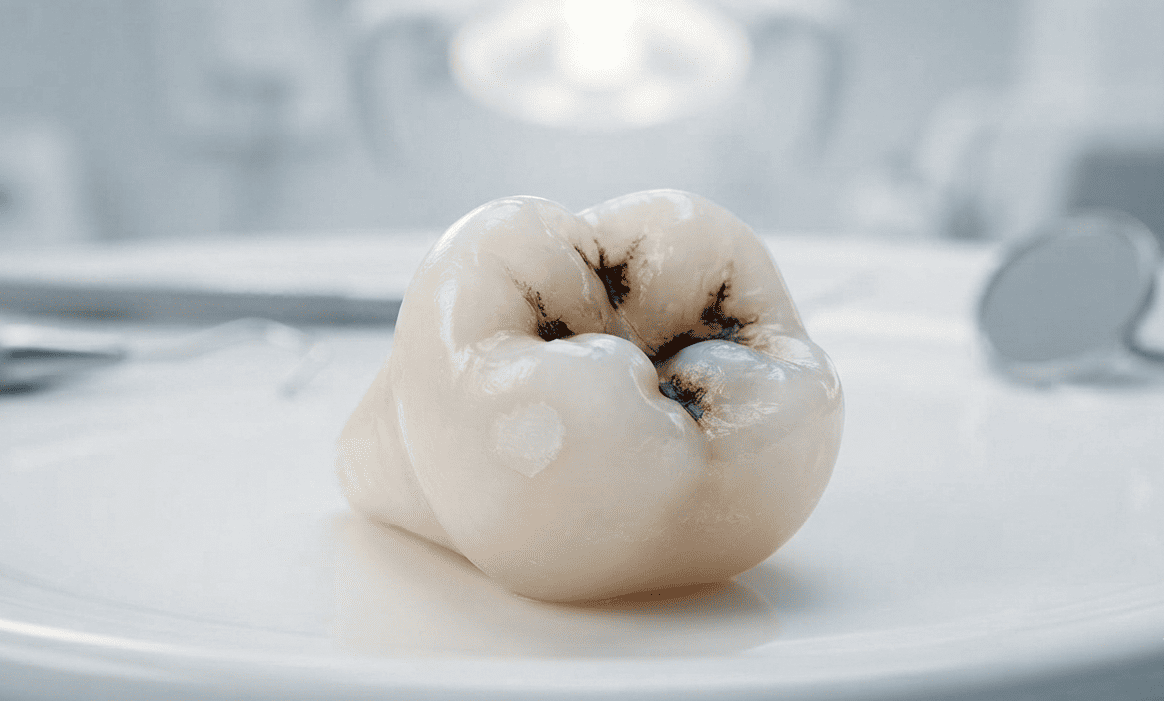
Many factors can increase the risk of tooth decay. Understanding these factors can enable people to make changes to reduce the risk. These factors include genetic factors, diet, oral hygiene, salivary flow, and tooth structure.
Tooth decay
Tooth decay can occur due to acids in the mouth. Eating foods/ drinks which contain carbohydrates/sugars may cause deposits to build up in the mouth. Bacteria in the mouth can convert sugars and carbohydrates into acid. Over time, this acid can erode tooth enamel. This results in cavities in the tooth, causing tooth decay.
Depending on the levels of bacteria within the mouth, some people may be more prone to tooth decay. If oral hygiene is poor, then more plaque can build up on the teeth, increasing the risk of tooth decay.
Genetic factors and tooth structure
Due to genetic factors, some people may be more prone to tooth decay. Molars with deep grooves/pits are more prone to tooth decay. It is easy for food and bacteria to become trapped in these grooves and difficult to fully clean with a toothbrush.
People can have varying levels of mineral content and thickness of enamel. If people have thin enamel or do not have sufficient minerals in their enamel, they are more prone to tooth decay. Although genetic factors cannot be changed, ensuring good oral hygiene routines and visiting the dentist regularly can decrease the risk of tooth decay.
Diet
Consuming large quantities of high-sugar foods/drinks (sweets, fizzy drinks, fruit juice, and high-carbohydrate foods) can cause lots of harmful acid in the mouth. As a result, people may be more at risk of tooth decay.
Regular consumption of high-sugar foods/drinks can cause tooth decay. If high-sugar drinks are regularly drunk during the day, acid is produced regularly. Sticky food in the mouth can also cause acid to be constantly produced. Reducing consumption of high-sugar foods, having a balanced, healthy diet, and drinking sufficient water can improve oral health. Eating foods with high levels of calcium and phosphorus and essential nutrients can strengthen teeth.
Saliva
Having sufficient saliva in the mouth can reduce the risk of tooth decay. Saliva can remove food deposits, neutralise acid, and replace minerals in early stages of erosion. If someone has low salivary flow in their mouth, they may be more likely to get tooth decay. Dry mouth can be caused by many things. Taking certain medications, suffering from illness, dehydration, and many other reasons can cause dry mouth. If dry mouth is long-lasting, it can cause excessive plaque to build up, bad breath, and increase the risk of tooth decay.
Drinking sufficient water, speaking to a health professional to see if dry mouth is caused by certain medications, or asking your dentist for suitable saliva replacements can improve the situation.
Oral hygiene
Poor oral hygiene can increase the risk of tooth decay. Plaque can build up in certain areas of the mouth, such as around the gum line and between teeth. Within plaque, bacteria can produce acid, which can cause damage to enamel.
Brushing teeth twice daily with toothpaste can reduce the buildup of plaque. Improving enamel strength. Flossing daily is very important as it removes plaque from areas that may have been hard to reach. Toothpaste can help repair damaged enamel, making teeth more resistant to acid. Depending on your requirements, using appropriate mouthwash can be useful; however, this should not be used as a substitute for brushing and flossing.
Medical Conditions and Medication
Certain medical conditions and medications can increase the risk of tooth decay. Medical conditions that reduce saliva production, regulate blood sugar, or make it difficult to maintain good daily oral hygiene can increase the risk of tooth decay. Certain types of medication (Antihistamines, antidepressants, and Blood pressure medication) can cause dry mouth. This means teeth will not be sufficiently protected by saliva and therefore be more at risk of tooth decay.
If you have chronic medical conditions, speaking to a dentist is a good idea. This allows them to understand if you are at increased risk to your oral health. Knowing how certain medical conditions and medication may affect your mouth means professionals can provide appropriate advice to reduce the risk of tooth decay.
Visiting dentists regularly
Even with good oral hygiene, tooth decay can develop. However, visiting a dentist regularly can allow tooth decay to be picked up early, meaning less severe tooth decay. Professional cleanings can remove hardened plaque and tartar. This may be difficult to remove from the teeth with just brushing. If you are more at risk of tooth decay, your dentist may suggest additional treatments to reduce the risk. This may include adding, placing sealants on teeth, and increasing the frequency of visits.
If tooth decay is picked up earlier in its development, less damage will occur to the teeth. This means complex dental treatment to fix the decay may not be required.
Ways to reduce the risk of tooth decay
Although some factors may increase the risk of tooth decay and cannot be changed (genetic factors and tooth structure), many can be reduced. Simple changes to oral care routines can reduce risk. Brushing teeth with toothpaste, flossing regularly, reducing consumption of high-sugar foods/drinks, drinking sufficient water, and eating a balanced, nutritious diet can reduce risk. Try to reduce how frequently you eat foods and visit the dentist regularly. Children may also benefit from additional preventative measures, depending on individual requirements.
Conclusion
If you are more at risk of tooth decay, this does not necessarily mean you have poor oral hygiene. Many factors can increase the risk of tooth decay in individuals. These can include genetic factors, saliva production, diet, medical conditions, and lifestyle choices. By understanding these risk factors, appropriate ways can be put in place to prevent tooth decay. Ensuring good, regular, consistent oral hygiene at home, following advice provided by dental professionals, and visiting the dentist regularly can help protect teeth. Maintaining healthy gums means that, in the future, people can be confident in their smile.
FAQ: Frequently Asked Questions
Are caries able to form around fillings?
Yes, caries can occur around fillings. If regular visits to the dentist are made, this can be detected early.
Are caries able to form in seemingly healthy teeth?
Yes. Early caries can develop in seemingly healthy teeth. This can be picked up using clinical examination and radiographs.
Will poor quality (but correct volume) saliva increase caries?
Yes. As the concentration of minerals and buffering capacity varies in different saliva, there will be variation in the ability to neutralise acids in the mouth and therefore promote remineralisation in enamel.
Is tooth decay transmissible between family members?
Bacteria causing caries can be transmitted via saliva. Therefore, if people in a family share cutlery, they may gain these bacteria. However, depending on many other factors such as diet, oral hygiene, fluoride exposure, and other risk factors, individuals may or may not develop caries.
When should fissure sealants be placed to reduce caries?
Fissure sealants can be placed in children and adolescents in order to prevent the buildup of bacterial/plaque debris in deep pits and fissures of permanent molars.


 |