Nutritious Foods for Maintaining Dental Health: Foods to Eat & the Value of Vitamin D
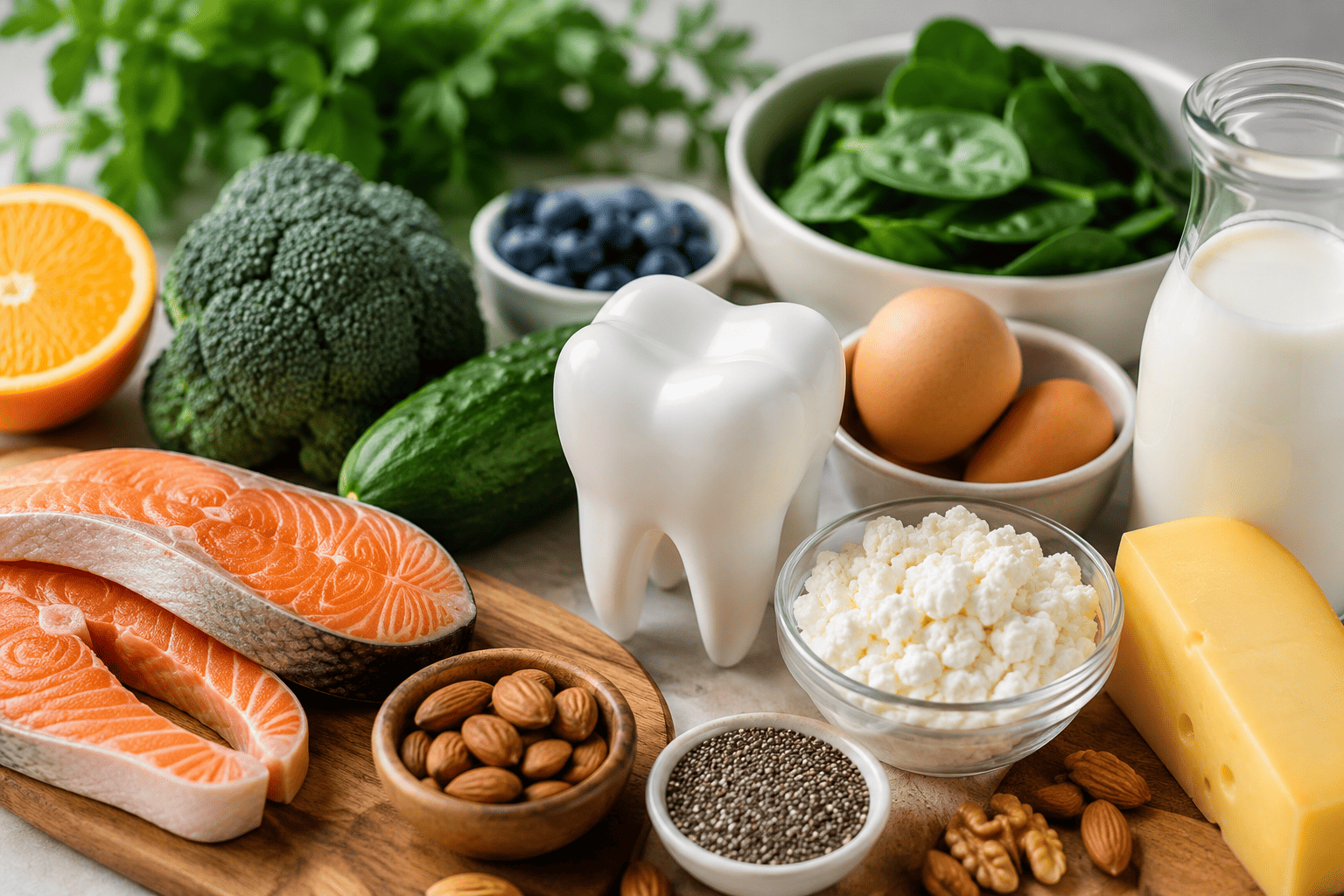
There is more to having a beautiful smile than regularly brushing and flossing teeth. The daily diet is an integral part of maintaining healthy teeth and gums, and avoiding any possible diseases and infections of the mouth. Nutrition includes beneficial vitamins and minerals needed for the protection of tooth enamel, gum maintenance, and jawbone strengthening. Although visiting a dentist for checkups and practicing dental hygiene are necessary for good oral health, the right choice of foods may help reduce the risks of cavities, gum disease, and tooth loss.
The key nutrients that provide you with great dental health include Vitamin D, which is responsible for the effective absorption of calcium by the body. Both nutrients contribute to great teeth, gums, and oral health.
Foods that Promote Teeth and Gum Health
Dairy Foods
Milk, cheese, and yoghurt are some of the best foods for good dental health. They contain ample amounts of phosphorus and calcium, minerals that are vital for tooth enamel development and repair of any enamel damage caused by acids. The other thing about cheese is that it stimulates saliva production; saliva acts by cleansing your mouth of bacteria and acid.
Fresh Fruits and Vegetables
Fruits and vegetables such as apples, carrots, celery, and cucumbers clean your teeth when you chew. Being rich in fibre and water, they stimulate saliva production, which washes away bacteria to prevent tooth decay. Citrus fruits have Vitamin C, although they should not be consumed in large amounts due to acidity.
Leafy Greens
There are high levels of calcium, Vitamin C, folate, and antioxidants found in leafy greens such as spinach, kale, and broccoli. Such components are beneficial in promoting the strength of teeth and the formation of healthy gum tissues and reducing inflammation in relation to gum disease. Leafy greens have no sugar content and are thus good for oral care.
Fatty Fish and Eggs
Fatty fish such as salmon, sardines, mackerel, and tuna are sources of Vitamin D and protein. Additionally, eggs contain these components. Vitamin D helps with calcium absorption, whereas protein is essential for tissue repair and oral health.
Nuts, Seeds, and Whole Grains
Almonds, walnuts, sesame seeds, chia seeds, and whole grains supply essential minerals like magnesium and phosphorus, which aid in keeping your teeth healthy. In addition, nuts, seeds, and whole grains make better snack choices than sweet foods, which cause cavities.
Water
Water is among the best drinks you can have for your mouth. Regular consumption of water washes out food residues and prevents tooth decay. In addition, fluoridated water keeps the enamel healthy by protecting the teeth against decay.
Why Does the Body Need Vitamin D for Good Dental Health?
The body requires vitamin D as it helps in the process of calcium absorption. In case there is not enough vitamin D in the body, then even if one consumes lots of calcium, it will fail to have a positive effect on his/her teeth and bones. The body needs this vitamin in order to make sure that one’s teeth are strong and he/she has healthy enamel and a strong jawbone.
Moreover, according to recent studies, vitamin D can help reduce inflammation and boost the immune system as well as prevent problems like gingivitis. People who have low vitamin D levels suffer from weak teeth and slow recovery after dental procedures, as well as tooth loss. Some of the sources of vitamin D are fish, eggs, milk, and natural sunlight.
Nutrition in Relation to Successful Dental Implant Procedure
Proper nutrition is essential for patients undergoing dental implants. This is because dental implants involve replacing missing teeth via surgical placement inside the patient’s jawbones, with gradual integration of the artificial tooth with the bone structure through the natural process called osseointegration, where success highly relies on adequate nutritional requirements.
Consuming foods that contain high levels of calcium, Vitamin D, protein, phosphorus, magnesium, and Vitamin C plays an essential role in quick recovery, resulting in the creation of solid bone formation around the implant. Protein is useful in tissue repairs, whereas Vitamin C assists in collagen formation for healthy gum tissues. Vitamin D works together with calcium in the strengthening of jawbones.
Following immediate implant placement, it is recommended that patients adhere to a healthy and nutritious diet by consuming soft foods such as yogurt, scrambled eggs, pureed vegetables, oatmeal, blended fruits, and soups; avoiding hard foods that could negatively impact the recovery process. Once recovery starts to occur, reverting to a nutritious diet consisting of fresh fruits and vegetables, lean meats, milk, dairy, and grains will help support healthy gum tissues and a sturdy bone structure.
Even when implants have been successfully healed in the mouth, proper nutrition still plays a critical role. By eating the right diet, patients can prevent inflammation of the gums, promote healthy gums, and reduce the chances of peri-implant disease, which in turn will ensure that their dental implants stay healthy and functional.
Maintaining Proper Dental Health via Proper Diet
Proper diet and good practices of oral hygiene are both equally important in making sure that your teeth and gums are healthy throughout your life. Dietary behaviors that include eating food sources rich in calcium, fresh fruits and vegetables, lean protein, and food sources that are rich in vitamin D provide the mouth with the necessary nutrients required for good health. Eating fewer amounts of sugary snacks and acidic beverages is important in maintaining your teeth from being affected by cavities.
If you wish to maintain your own teeth or the dental implants that you have already invested in, then proper dieting behaviors are some of the easiest ways to make sure that you continue having proper oral health. You can do this together with brushing your teeth at least twice daily, flossing, drinking plenty of water, and visiting your dentist regularly.
Frequently Asked Questions
- What foods should one eat to maintain healthy teeth and gums?
Dairy products, leafy vegetables, crunchy fruits and vegetables, oily fish, eggs, nuts, seeds, and plenty of water.
- What is the function of vitamin D regarding one’s oral health?
Vitamin D enables the body to utilize calcium; it is great for your teeth and jaw bones, and keeps gums healthy.
- Will a proper diet impact the effectiveness of dental implants?
Yes, it will contribute to more effective healing, strengthen the jawbone, and keep the gums surrounding the dental implants healthy.
- What food products should one avoid for healthy teeth?
Sugary drinks, sticky candies, processed snacks, acidic beverages, and desserts that contain high amounts of sugar are not recommended as they lead to tooth decay.
- Is brushing enough to have healthy teeth?
No, even though brushing is important, diet and hydration are equally significant.


 |
|