How Should I Respond to a Dental Filling Falling Out?
A person who faces the problem of having a dental filling falling out must consider dealing with the issue so that there is no discomfort and injury to the teeth. It might occur during the process of eating or brushing, but there are various procedures to follow.
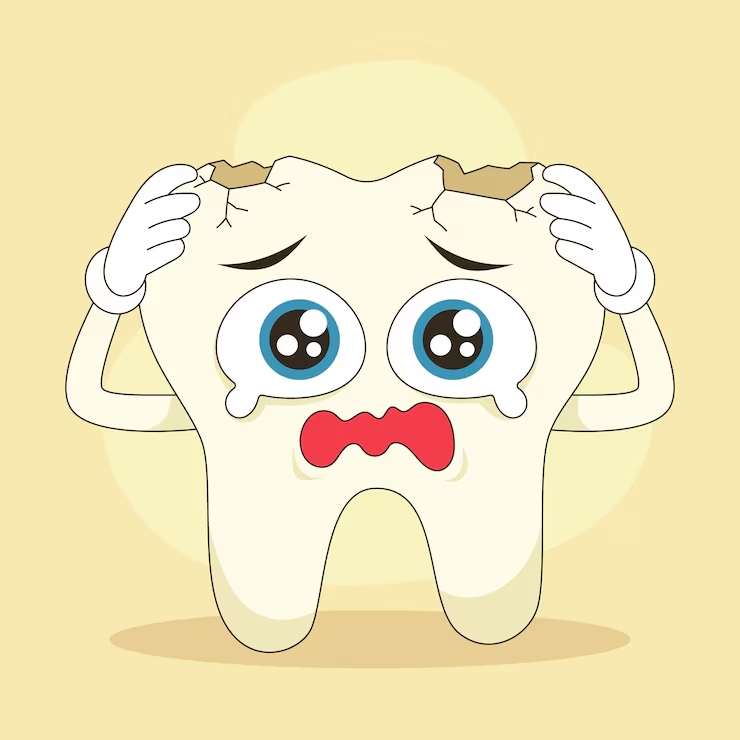
Ways of Identifying a Missing Dental Filling
There are several means by which a person can figure out the missing dental filling from their teeth. It might result in experiencing pain and sensitivity in the teeth when consuming either hot, cold, or sweet items. There can also be the sensation of having a rough place inside the mouth, along with the missing dental filling.
Checking the Condition of the Tooth
If a person faces a scenario of missing dental filling, then it is necessary to first take care of examining the tooth. This can be done by checking whether there are any cracks and dark spots present in the tooth using a mirror. The least thing a person needs to do is touch the tooth.
Keep Your Surroundings Clean
The very first step that you need to take once you lose your filling should be cleaning up the surroundings properly. To do this, gargle with some salt water to reduce the amount of bacteria present and relieve yourself of sore gums. Brush your teeth using a soft-bristled toothbrush to avoid irritating your gums further.
Manage Soreness and Sensitivity
One common symptom that patients suffer after losing a filling is soreness due to the exposure of their tooth surface. The best thing for you to do at this point would be taking some pain medication that can be bought off the counter. Applying some clove oil on your teeth may also soothe the irritation.
Temporarily Cover the Affected Tooth
Before visiting the dentist, one could consider covering the tooth to ensure it will not come in contact with anything else that might worsen the situation. To do so, one can buy some temporary filling kits that can be found in pharmacies. However, remember to read the instructions carefully, and do not press the filling against the affected tooth.
Eat Carefully
Some foods are known to make the situation worse and can result in further discomfort when dealing with a loose filling. The best choice would be soft foods as they place no additional stress on your gums. Do not consume foods that are too cold or hot, chewy, or sticky.
See a Dentist Promptly
As one can see, having a missing filling makes the situation difficult. Therefore, it is necessary to see a dentist as soon as possible to address your problem.
If It Is an Urgent Situation
There are cases where it is best advised that one needs to think about seeing a dentist immediately after having their dental filling come off. Sensitivity to hot and cold foods and beverages, pain, excessive bleeding, fever, and infections are only some of the things that should not be neglected if one’s dental filling comes off.
What Makes Dental Fillings Come Off?
There are many reasons that a dental filling will come off in the long run. Constant pressure from chewing on food, cavities that develop underneath the filling, deterioration of the old filling materials, or trauma inflicted on the tooth are only some of the factors that lead to having a dental filling coming off. One more possible factor includes grinding one’s teeth and biting on hard objects like ice cubes and writing materials.
Temporary Dental Fillings Tips
In order to have a temporary dental filling until one visits a dentist, first thing to do is clean and dry the mouth using a gauze pad or cotton ball. Apply the filling substance to the tooth after preparing it.
Prevent Tooth Decay
Proper oral hygiene procedures will be very useful in preventing early fillings failure. Therefore, it is crucial to brush teeth twice a day using fluorine toothpaste, floss, and visit the dentist regularly in order to keep healthy teeth. Reducing sugar intake and refusing from unhealthy habits like smoking will ensure strong and durable teeth and fillings.
Prevent Future Issues
The following steps can be recommended in order to prevent future issues. Wearing mouthguards made for you will protect your natural teeth as well as fillings from various damages. The regular visits to your dentist will allow diagnosing problematic fillings and taking timely measures in order to prevent potential complications.
Conclusion
To sum up, despite the fact that fillings loss may seem to be an insignificant problem, neglecting it will inevitably cause numerous dental complications. Cavity treatment, pain management, teeth fixing, and professional care should be performed in order to prevent any future complications.


 |
|