What Is a Dental Retainer? Benefits, Types, and Tips for Long-Term Smile Protection
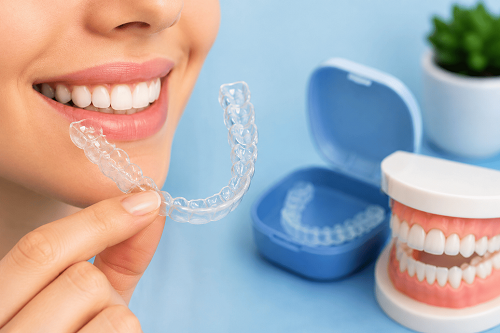
Completing orthodontic treatment is a major achievement, but keeping your teeth in their new position requires ongoing care. After braces or clear aligners are removed, your teeth naturally try to shift back toward their original alignment. This is where a dental retainer becomes an important part of your treatment. Wearing a retainer as instructed helps protect your results, keeps your smile looking its best, and reduces the chances of needing additional orthodontic treatment in the future.
Understanding a Dental Retainer
A dental retainer refers to a device specifically designed to help keep the position of the teeth after wearing the braces. The retainer can be put on such that it covers the teeth, or it may even be attached from behind the teeth. The rationale behind wearing the retainer is that the bone and the tissues surrounding the teeth have to adjust.
Different Types of Dental Retainers
There are two main types of retainers, and each offers unique advantages. Removable retainers are convenient because they can be removed during meals and while brushing your teeth. Fixed Retainers also called permanent retainers, this involves the use of a wire which will be attached to the backs of the front teeth. This gives consistent support because the patient does not have to worry about wearing the retainers.
Why Wearing a Retainer Is So Important
The biggest benefit of a retainer is preserving the results of your orthodontic treatment. Even perfectly aligned teeth can gradually shift if they are not supported after braces or aligners are removed. Regular retainer use helps maintain proper spacing, supports a balanced bite, and keeps your smile looking even. Straight teeth are also easier to clean, allowing you to remove plaque more effectively and lower the risk of cavities and gum disease.
How Long Does the Use of a Retainer Take Place?
In individual cases. Many people wear retainers during the daytime for several months after the removal of braces or aligners. Then dentists advise to use the retainers at night time. As teeth move along over time with age-related changes, many dentists advise to use retainers at night time throughout your whole life to prolong the effectiveness of their action.
Caring for Your Dental Retainer
Proper care keeps your retainer clean, comfortable, and long-lasting. If you have a removable retainer, clean it daily using lukewarm water and a gentle cleanser approved by your dentist. Avoid hot water because it can change the shape of plastic retainers. Always store it in its protective case when not in use and remove it before eating. If you wear a fixed retainer, maintain excellent oral hygiene by brushing carefully and flossing around the bonded wire to prevent plaque buildup.
Effects of Failure to Wear Your Retainer
Skipping your retainer for extended periods can allow your teeth to gradually move out of alignment. Even small changes may affect your bite and the appearance of your smile. If your retainer feels tight after not wearing it, it may be a sign that your teeth have already started shifting. Contact your dentist if your retainer is damaged, lost, or no longer fits properly so a replacement can be made before significant movement occurs.
Dental Retainers and Dental Implants
Although both support a healthy smile, retainers and dental implants serve different purposes. A retainer keeps natural teeth in their corrected position after orthodontic treatment, while a dental implant replaces a missing tooth by supporting a custom-made crown. Patients with dental implants may still wear retainers to help maintain the alignment of their remaining natural teeth and protect their overall oral health.
Conclusion
A dental retainer is the final and one of the most important steps in achieving lasting orthodontic success. It protects the time and effort invested in braces or clear aligners by preventing unwanted tooth movement. Wearing your retainer consistently, caring for it properly, and attending regular dental checkups will help preserve a healthy, straight smile for years to come.
Frequently Asked Questions
- What does a dental retainer do?
A dental retainer keeps your teeth in their corrected position after braces or clear aligners to prevent them from shifting.
- Are retainers comfortable to wear?
Most retainers feel snug at first, but they usually become comfortable after a short adjustment period.
- How should I clean a removable retainer?
Clean it every day using lukewarm water and a gentle cleanser recommended by your dentist. Avoid using hot water.
- Will my teeth revert back when I stop wearing my dental retainer?
Yes, it happens that teeth revert back to their previous position because teeth have a tendency to change their position with time.
- Can I have a retainer if I also have a dental implant?
Yes. A retainer helps maintain the alignment of your natural teeth, while a dental implant replaces a missing tooth. They can be used together when recommended by your dentist.


 |
|