What Is Crossbite? Definition of Causes, Symptoms, and Current Forms of Treatment
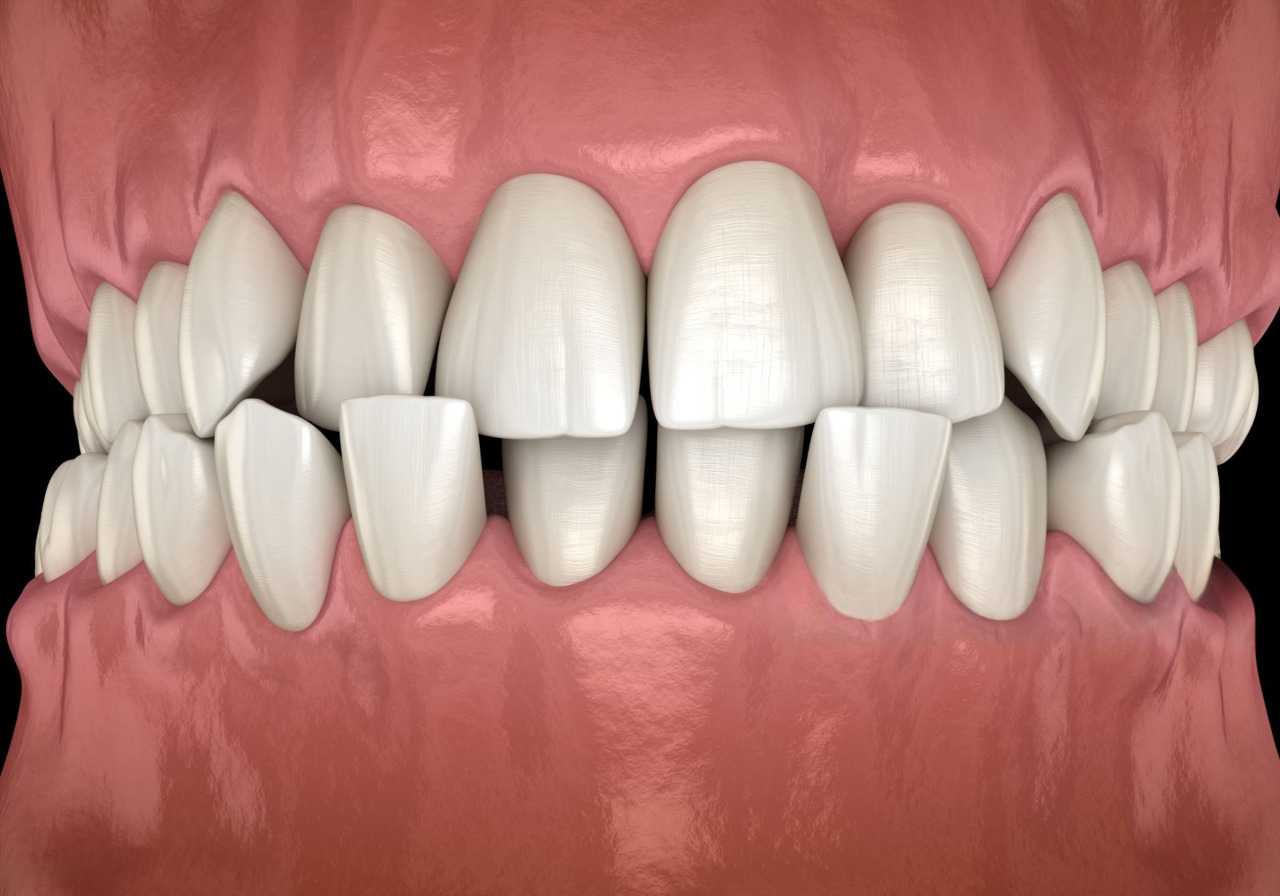
Definition of Crossbite
A crossbite is characterized by the existence of a condition where certain teeth are found behind other teeth when the mouth is closed. It can involve either the front teeth, the back teeth, or both, and might manifest itself either from childhood or in later life due to lack of dental intervention.
Types of Crossbites
There are basically two different categories of crossbites. They are Anterior crossbite which involves the front teeth and Posterior crossbite which involves the back teeth. Sometimes crossbites can manifest themselves on only one side of the mouth or elsewhere in the mouth.
Causes of Crossbites
Genetics is one of the leading causes of crossbites in individuals. This may be caused by genetic problems in dental structures of the teeth. The uneven development of the jaws of both the upper and lower jaws can result in teeth that are not properly aligned, hence a crossbite.
Poor Oral Habits in Children
There are some poor oral habits that affect children and can cause crossbites in them. Examples include thumb sucking, constant use of pacifiers, and tongue thrusting. These poor habits put constant pressure on the teeth, hence causing teeth misalignment.
Breathing and Its Effect on Teeth Eruption
It is true that mouth breathing can alter facial growth and placement of the jaws especially for the younger ones. Keeping back primary teeth or incorrect eruption of secondary teeth is responsible for irregular alignment of teeth positioning. In the absence of teeth eruptions, the adjoining teeth will shift to wrong positions, creating a malocclusion issue.
Crossbite Symptoms
Symptoms for crossbite depend on the extent of the problem but still there are some general symptoms that are seen by the sufferers, which include uneven tooth wear, jaw pain, difficulty in chewing, headaches, pain on jaw, speech problems, and uneven facial growth.
Effect on Dental Health
If not handled correctly, a crossbite may cause problems for dental health and impact an individual’s mouth in the long run. The pressure applied to specific teeth makes them become sensitive and may result in the erosion of the teeth enamel. Furthermore, in some instances, the gum of an individual can recede, making his or her root visible and prone to cavities and infection.
Problems With Eating and Speaking
Someone with a crossbite may encounter problems while eating since the teeth are not aligned properly. This is because of improper biting which leads to pain experienced during chewing by an individual as well as pressure in the jaw muscles. At times, someone with a crossbite can find it difficult speaking because of improper tongue alignment.
Use of Braces for Treatment of Cross Bite
Using braces is one of the most effective methods of correcting cross bite. The brackets and wires work together to align the teeth correctly, as well as ensuring that the positioning of your bite is corrected. Another good alternative would be use of elastic bands that help align jaws and resolve other problems arising from cross bite.
Other Methods Using Clear Aligners
Another common procedure followed by almost all people in correcting their bites is the clear aligner technique. The process employs clear aligners which slowly move the teeth into position.
Palatal Expanders for Cases Involving Jaw Growth
There is also an option for using palatal expanders where widening the upper jaw is required. The purpose of palatal expanders is to help enlarge the jaws and create enough space for alignment of teeth. This should be done early because it can prevent any further problems.
Other Dental Treatments During Crossbite Correction
Apart from these orthodontic treatment methods, however, there are some other methods which should be carried out along with the orthodontic treatment methods in order to solve the problem of a crossbite. Some of these methods include crowning or bonding of the teeth. Orthognathic surgery is also recommended for serious cases of crossbites.
Is There Any Prevention from Having Crossbite?
Even though the genes cannot be altered, there are several preventive ways through which people can avoid getting a crossbite. For example, parents should not encourage their kids to suck thumbs for a long period of time because this could affect breathing. In addition, frequent dental checkups will make sure that everything goes as expected.
Why Early Diagnosing Is Important
It is suggested that one should consider getting diagnosed for the bite when they reach the age of seven. This is mainly because the dentists will be able to examine the growth and development of the jaws and solve any existing problem.
Conclusion
Crossbite does not just affect your appearance, but it can have health effects on the mouth, jaw joints, and even your overall wellbeing. Contemporary dentistry offers plenty of options for the correction of your bite problem no matter your age. Early diagnosis is always helpful to avoid future issues with your bite.
Schedule Your Crossbite Consultation Now
If you feel that you or your child may have a crossbite, you should see a dentist to make sure. The exam will show what type of treatment will suit you best.


 |
|