Emergency Dental Care for Toothaches, Accidents, and Infections
What Is a Dental Emergency?
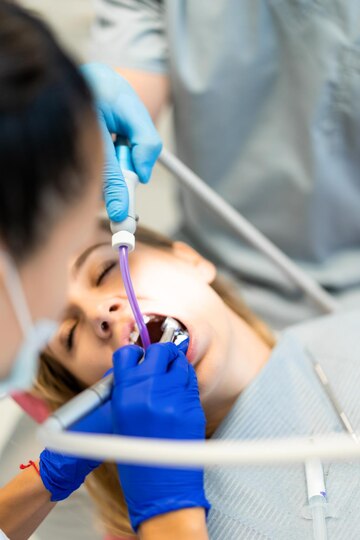
A dental emergency is a condition which requires immediate medical care to relieve the pain, stop the bleeding, treat infections, or save broken teeth. There are several reasons why dental emergencies may happen. They include not only accidents but also neglecting dental health problems.
Painful Tooth: Don’t Dismiss Symptoms!
One of the key signs of a dental emergency is tooth pain. It may be caused by numerous reasons including tooth decay, tooth infection, inflamed nerve, and so on. In case the toothache spreads to ears and even causes headache, you should consider visiting an oral surgeon.
A Damaged or Fractured Tooth May Become a Major Problem
While it might not be serious in the beginning when your tooth has suffered some damage, your tooth will become sensitive due to this problem and thus become prone to infections. This problem usually results from accidents during playing sports, falling or eating hard food items.
Quick Dental Procedure to Treat Missing Teeth
Your lost tooth is a serious matter because the timing is crucial for saving it. It should be noted that you should keep your tooth by its crown and not the root part while trying to keep it moist either in milk or saliva.
Missing Fillings and Crowns Must Be Treated Immediately
The presence of missing fillings and crowns leaves one’s teeth exposed to various types of bacterial infections and other risks caused by temperature change. Even though there might not be much pain associated with it, one is bound to suffer further damage and even infections that may occur over time. Temporary treatment using dental cement bought at a drugstore would be effective until professional help becomes available.
Having an Abscess Is Dangerous for Your Teeth
The presence of an abscess means that one’s teeth are suffering from an infection that occurs near the roots of teeth or the gums. It may be identified through some obvious signs, including fever, swelling, pain, red gums, and pus formation.
Gum, Lip, or Tongue Injuries
The reasons for mouth injuries may vary from accidents, falls, to biting injuries by accident. However, if one has serious injuries like heavy bleeding, inflammation, or other serious consequences, the person will have to consult a doctor urgently. Rinsing one’s mouth with warm salt water and putting gentle pressure on the wound using clean gauze might help stop bleeding.
When Certain Dental Issues Are Not Urgent
All dental issues do not require emergency attention of a dentist. The examples of issues, which can wait till the next visit to a dentist are such conditions like slight teeth sensitivity, cracking of teeth without pain, and loose tooth fillings. Any swelling, pain, and infection are signs of urgency.
Where to Call in Case of an Emergency in Dental Clinic
The person’s own dentist is considered to be the best person to be contacted when there is an emergency condition in the dental clinic. There are many clinics where there are emergency appointments provided, and some dental clinics even offer emergency appointments outside their premises to resolve the problem. As the dentist is aware of the person’s history regarding oral hygiene, he can handle the issue more effectively.
What to Do if a Person Has to Go to Hospital
In case of swelling on a large scale in the face, excessive bleeding, cracked facial bones, and difficulty in breathing or swallowing, the hospital has to be consulted. Though the hospital will help stabilize the person’s condition, no dentistry treatment can be conducted in a hospital.
How To Handle Dental Pain Before Seeking Professional Help
Some steps could be useful prior to getting professional help and reducing the pain level. The usage of mouth rinse with salt water, using cold pack, chewing food on the opposite side of the mouth, and taking non-prescription pain relievers may work. Nevertheless, it should not become an alternative to consulting professionals.
How To Be Prepared For Possible Dental Emergencies
It is always better to be ready for the worst situations; otherwise, it will be more stressful for the patient. It is advised to have your personal contacts accessible, visit your dentist often, and create an emergency dental kit with all essential components.
Conclusion
Teeth problems may appear suddenly and quickly get worse when ignored. Recognizing the symptoms and knowing how to treat these problems could save your teeth and overall oral health.


 |
|