Tooth Infection Symptoms: Warning Signs You Must Know
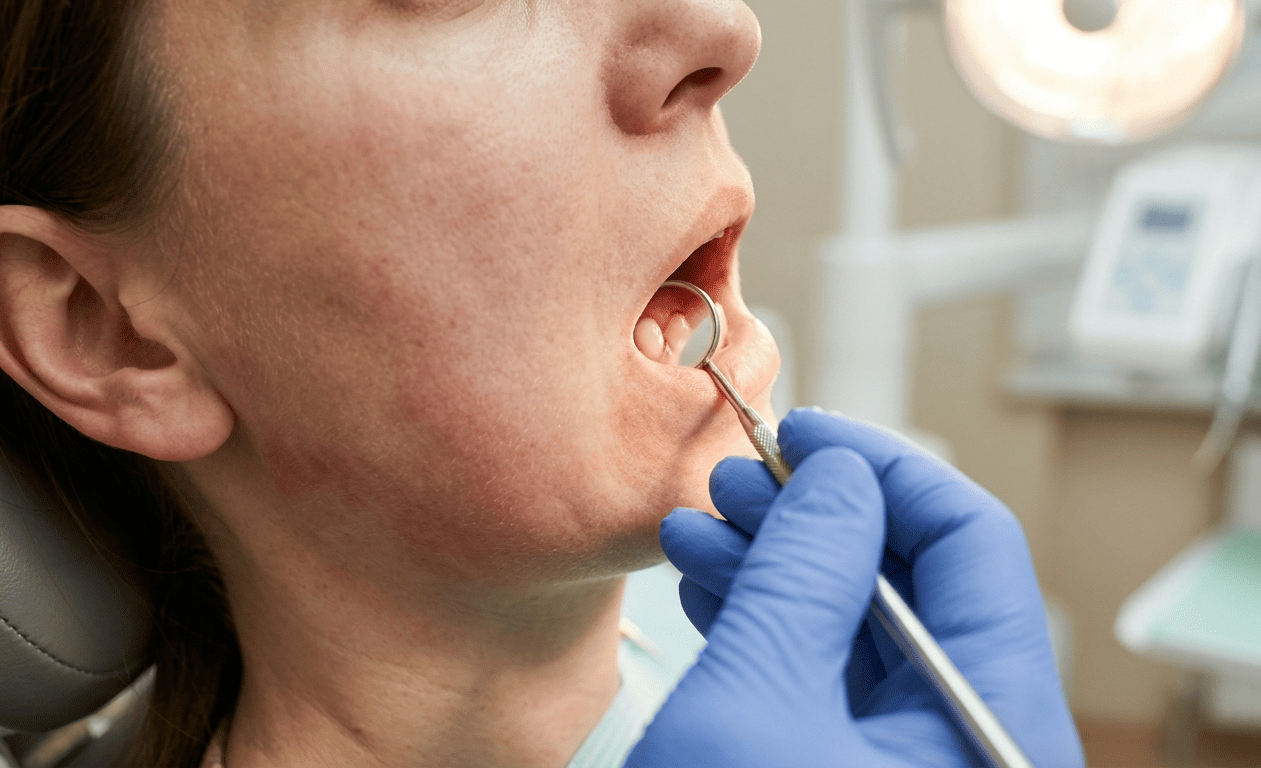 Tooth infections are the result of bacteria entering the interior of the tooth, which can happen due to a cavity, cracked tooth, gum disease, or dental injury. When bacteria enter this area, the infection can spread to neighboring areas and cause severe pain. It is essential to act quickly to treat the infection early in order to minimize pain. Even seemingly minor symptoms like tooth pain, swelling, or abnormal sensitivity should be taken seriously.
Continuous Tooth Pain and Extreme Pain
Toothache is either persistent or throbbing pain that is the most common sign of tooth infection. Pain could be there without any apparent reason, worsen at night, or at times even become more noticeable when eating. Pain may be felt in the jaw, ear, and other areas around the face. Pain lasting for many hours or occurring on and off should indicate some infection or inflammation of the tooth. Painkillers might give only a short period of pain relief but won’t get rid of the cause of that pain.
Sensitivity Issues Related to Hot Beverages, Cold Liquids, and Sugars
Experiencing higher sensitivity to drinks that are hot, cool fluids, or foods that are sweet could indicate a problem that is more serious related to your dental health. If the decay is located closest to the pulp levels of your teeth, the nerves and the surrounding tissues will be irritated by hot and cold food, causing discomfort. Some dental problems may cause discomfort as well as wear of enamel, exposed roots, etc. If you notice that you feel pain even if you stop eating hot or cold food, it is wise to see a doctor.
Inflammation of the Gums and Face
The swelling surrounding the tooth can indicate an infection of the surrounding gums or tissues. Along with swelling, sometimes redness or tenderness is found; a raised area or a small bump sometimes forms on the gum-a pimple-like bump. Many patients with these symptoms also experience swelling of the cheek or jaw, indicating an abscess that has formed and collected pus in that area. Facial swelling is a serious worry that requires immediate medical attention, especially if it has rapidly progressed or occurs with a fever. Any difficulties with breathing or swallowing should call for immediate medical attention.
Halitosis or Unpleasant Taste in the Mouth
Chronic bad breath or unpleasant taste in the mouth can sometimes occur when there is an infection in one’s tooth. When pus mimics drainage of an abscess, a terrible taste is likely to follow. Similarly, there can be other reasons for these symptoms, such as periodontal disease, food particles stuck between teeth, dryness in one’s mouth, and neglect of oral hygiene. Although tooth brushing and mouthwash may cure the bad odor, one should not exclude the possibility of an undetected infection. If the bad taste persists along with toothache, swollen gums, and tenderness, the patient is expected to see the dentist for a thorough examination.
Symptoms outside of the Mouth
In some cases, a tooth infection can also lead to symptoms beyond the mouth, including fever, swollen lymph glands, weakness, and feeling sick in general. These symptoms can represent the way the body reacts to an infection and can draw one’s attention, particularly if they come with increased tooth pain or swelling of the face. It is advised that people with these symptoms visit the dentist immediately rather than waiting until the effect is gone.
What Is the Right Time for You to See a Dentist?
Individuals experiencing symptoms such as pain in their teeth, swelling, or signs of infection need to consult their dentist as soon as possible. It is critical to contact a dentist in Lewisville to understand what the symptoms mean. The dentist will then examine the affected tooth, take X-rays if needed, and diagnose the condition before taking any action. Treatments will include draining the abscess or performing a root canal, or possibly tooth extraction when the tooth cannot be restored.
Dealing with an Infected Tooth
How the tooth will be treated depends on what type of infection it has and its severity. For example, if the pulp is infected, root canal therapy may be performed to preserve the tooth, although the remaining part can be rehabilitated. If things are worse, the tooth may need to be removed. After the extraction and treatment of the infection, one may consider dental implants as a replacement option. However, bear in mind that the infection must be treated and controlled before proceeding with the treatment.
Guarding Against Tooth Infections Through Daily Maintenance
Maintaining good oral health is key to minimizing the chances of experiencing tooth infection. Brushing your teeth twice every day with toothpaste, flossing regularly, avoiding sweets between meals, and visiting your dentist regularly will help you avoid getting cavities or gum disease. Staying away from tobacco and seeking treatment as soon as your tooth becomes damaged may also help you maintain a healthy mouth in the long run. People who have discoloured or damaged teeth should know that, once the underlying cause has been successfully treated, a cosmetic dentist can help them achieve the result they wish for.
Concluding Remarks
Tooth infections hardly improve on their own without proper treatment, and delaying the provision of care may worsen the condition. Continuous pain, swollen gums, swelling in the face area, bad taste in the mouth, and fever are essential alarm signs. Timely dental treatment will ease the discomfort, protect the remaining teeth, and prevent further complications. If the swelling spreads along with any difficulty in breathing or swallowing, medical attention should be sought immediately.
Frequently Asked Questions About Tooth Infections
Is it possible for a tooth to be infected without the presence of pain?
Consider that pain may develop in the background of an infection, perhaps when the nerve of the tooth is destroyed. We recommend a dental visit and an X-ray to help assess the condition of the tooth.
Can a tooth infection spread to adjacent teeth?
An infection has the potential to extend into neighboring gum tissues, supportive bones, and the areas of the face nearby. Quick treatment ensures that complications are limited and the surrounding oral structures are protected.
Is it possible for an infection to recur after a root canal treatment?
It is indeed possible for an infection to reappear as a result of bacteria inside the tooth, new cavity formation, or damage to the restoration.
Can tooth infections be detected by the dentist even if the symptoms have not yet developed fully?
These infections or related oral health problems can be diagnosed in regular dental checkups and identified by certain X-rays before severe symptoms manifest.
Are antibiotics sufficient to treat tooth infection?
Most of the time, antibiotics are unable to eradicate the source of the tooth infection. Conservative dental treatment is likely to be required.


 |
|