Whitening Treatments – Are they Harmful to Tooth Enamel?
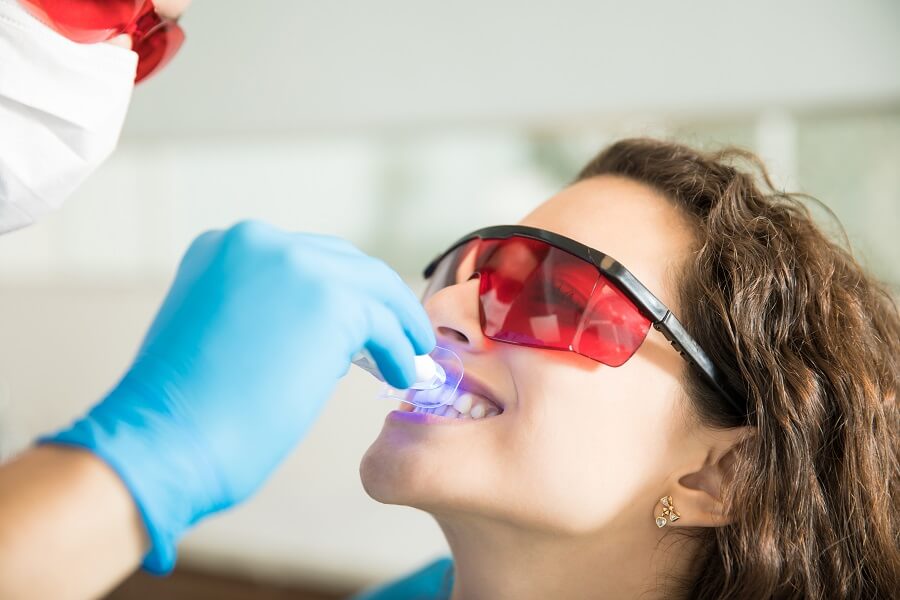
Making your teeth look whiter is considered to be one of the top procedures in the cosmetic dentistry industry. With age or because of consuming certain foods like coffee, tea, wine, smoking, and more, the shade of teeth may start to get worse, prompting many to go for whitening solutions to achieve the best smile. The common concern that patients have always had before going for any whitening procedure is: Do whitening treatments damage tooth enamel?
Significance of Enamel
Enamel is an extremely tough outer layer coating the surfaces of the teeth. Enamel is known as the hardest substance in the body and functions as a protective layer against dental caries, temperature variations, and erosion. It is very crucial for having good enamel in order to keep the teeth healthy and attractive in appearance.
The unique characteristic of enamel that sets it apart from other body tissues is its inability to regenerate once damaged badly.
Modern Teeth Whitening Methods
Professional teeth whitening products are used by dental practitioners, and these consist of safe bleaching agents such as hydrogen peroxide and carbamide peroxide. The effect of these agents is to disintegrate the stain molecules that develop on the surface of the teeth during consumption and age.
The whitening products in use today are far superior to what we had in the past. They work well without pain and enamel damage when used as instructed.
Does Tooth Bleaching Impact The Condition Of Your Enamel?
Tooth bleaching done in a professional environment does not cause any harm to your teeth and gums. However, if tooth bleaching is performed incorrectly, it can result in various issues for both your teeth and gums. Being aware of all the risks that tooth bleaching involves will help you do tooth bleaching in a safe and confident way.
Sensitive Teeth
Sometimes, sensitive teeth become an issue following a tooth bleaching procedure. This phenomenon is caused by the temporary widening of microscopic channels in the teeth, through which sensations of heat and cold reach the tooth pulp. This sensitivity will only last a few days. In case of sensitive teeth, dentists recommend using special toothpaste or diluted tooth whitening gel.
Risk of Enamel Damage
There might be a possibility of an increase in the risk of tooth enamel damage because of excessive use of teeth whiteners. Improper usage of tooth whiteners with the help of strips or pastes can lead to irritation, wear of tooth enamel, or tooth sensitivity.
Proper use of prescribed dosages is necessary. Increasing frequency of treatment with whitening agents is likely to do more harm than good.
Damage to Gums and Other Mucous Membranes
Whitening agents are likely to lead to gum irritation and pain in other mouth areas. This can be caused by improper fit of trays and excessive amounts of whitening gels. The entire process of teeth whitening is supervised by professionals for protection of other parts of the mouth. Proper amounts of whitener are to be applied.
Whitening Won’t Harm Teeth for Long Period of Time
As for today, teeth whitening won’t harm one’s enamel if everything goes well. Besides, when one performs such a procedure as whitening, it removes stains from inside the tooth structure and makes teeth look unhealthy and yellow.
But whitening can’t replace basic procedures, including brushing one’s teeth, using fluorine-containing mouthwashes, and visiting the dentist on a regular basis.
How Can One Whiten Teeth Safely While Preserving the Enamel?
Visit Your Dentist First
One should remember that the wisest move to make is to visit his or her doctor at first. This way a patient will learn whether he or she can safely whiten his or her teeth.
Directions
If you choose to have in-surgery teeth whitening or get take-home kits from the dental clinic, ensure that you follow the instructions. Be keen on using any extra whitening products or combining different ways to whiten your teeth.
Using extra whitening gel will not help you to achieve results faster or prevent sensitivity.
Practice Good Oral Hygiene
Good enamel starts with good oral hygiene practices. Brushing twice daily with fluoride-containing toothpaste and flossing is highly advised. Good oral hygiene will prevent teeth from getting discolored again.
Foods and Drinks to Avoid Which Might Stain Your Teeth
Any drink or food that is colored might just as fast stain your newly bleached teeth. This includes coffee, tea, red wines, and soda as well as berries. Using a glass of water following consumption of food and drinks through a straw when drinking the dark-colored beverages may reduce the risk of staining.
Conclusion
Dental teeth whitening remains one of the most effective cosmetic dental procedures. Though temporary sensitivity or pain may occur, the process of teeth whitening does not pose danger to your teeth at all. The only guaranteed way for you to achieve a beautiful smile that lasts a lifetime without posing any risks of damage is through the services of a professional dentist.


 |
|