Recovery Tips After Getting a Dental Crown or Bridge
Getting a dental crown or bridge is a significant step toward restoring your smile, improving oral function, and protecting damaged teeth. Although the process is simple enough, it is during the recovery period that its effectiveness is fully ensured. Knowledge of proper tooth care post-treatment will certainly make all the difference.
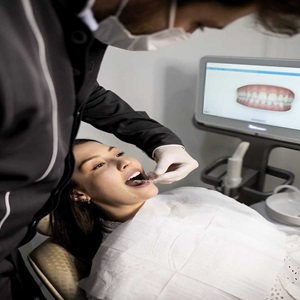 What Happens Right After the Procedure
It is normal for a patient to develop some degree of sensitivity or soreness after the placement of a dental crown or bridge. This occurs since both the tooth and the gum tissues require some adjustment period. Patients may find that their crowns or bridges have a sensitivity reaction to food that is too hot or cold. In case a temporary crown or bridge has been installed, patients may find it uncomfortable when compared to the rest of their teeth.
Managing Discomfort and Sensitivity
During the first few days after getting the procedure done, handling sensitivity will be essential to have an enjoyable experience. It should be noted that most individuals will experience a decrease in their sensitivity level in a week. The use of toothpaste that addresses sensitivity will be helpful, but it is also necessary not to consume extremely hot or cold food since it might induce sensitivity. If required, taking some medication for pain will be helpful.
Eating Habits During Recovery
The kind of food you take plays an important role in determining how your mouth heals after having either a dental crown or bridge installed. For the first few days after installation, eating soft foods will be easier and will help in the process of healing. Eating food which is not very hard on your mouth will assist in making sure that the affected areas heal without any unnecessary pressure. In contrast, eating hard food might pose problems when you have a dental crown or bridge.
Maintaining Proper Oral Hygiene
Maintaining cleanliness in the mouth is critical after a dental procedure like crowns and bridges because although crowns themselves will not develop any cavities, the adjacent healthy teeth and gums need adequate care. Proper oral hygiene includes gentle brushing two times per day as well as daily flossing to reduce bacteria buildup that might cause gum problems or cavities near the dental bridge. In case of dental bridges, special attention needs to be paid to cleaning around the replacement tooth since food debris could get stuck there very easily.
Protecting Your Crown or Bridge
Adjusting your daily habits is an important part of recovery. One must avoid any form of activity that causes a lot of stress to the teeth since it could cause damage to the restoration process. Such activities include chewing ice cubes, nail-biting, and biting down anything other than food. Bruxism or clenching of the teeth may also be problematic in crown and bridge restorations.
Caring for Temporary Restorations
If your dentist has given you a temporary crown or bridge, you need to take special precautions until you receive your permanent one. It is more fragile and can fall off or crack if you are not careful. Consuming soft food and practicing gentler oral hygiene habits will assist in keeping it intact. In case it falls off, it is important that you contact your dentist immediately.
Monitoring Your Recovery
Most recoveries after a dental crown or bridge are smooth, but it’s still important to pay attention to how your mouth feels. If you have continued pain, swelling, or problems with your bite, then you might need further treatment to make sure everything is all right.
Expert Care and Guidance by D. Dental
After the treatment at D. Dental, the care of the patient does not stop there. With their highly professional dental staff, they provide customized aftercare advice to allow for rapid and comfortable healing of the patient’s mouth after installing their new crowns or bridges. With their cutting-edge technology and patient-oriented treatment methods, they ensure that their restorations are not only sturdy but also perfectly fitted for maximum effectiveness.
Long-Term Care for Lasting Results
When you finish recovering from the procedure, it will become a regular part of your everyday life to take care of your crown or bridge. Routine visits to your dentist, good oral care, and responsible diet practices all play a role in extending the lifespan of your dental work. When cared for properly, your crown or bridge will last many years.
Conclusion
Getting over a dental crown or bridge does not need to be difficult. With just a few precautions taken along the way, you will help ensure that your investment is protected and your efforts worthwhile. A little more care at first will save your teeth and keep that smile healthy for years to come.


 |
|