Orthodontic Treatment Benefits for Perfect Oral Health
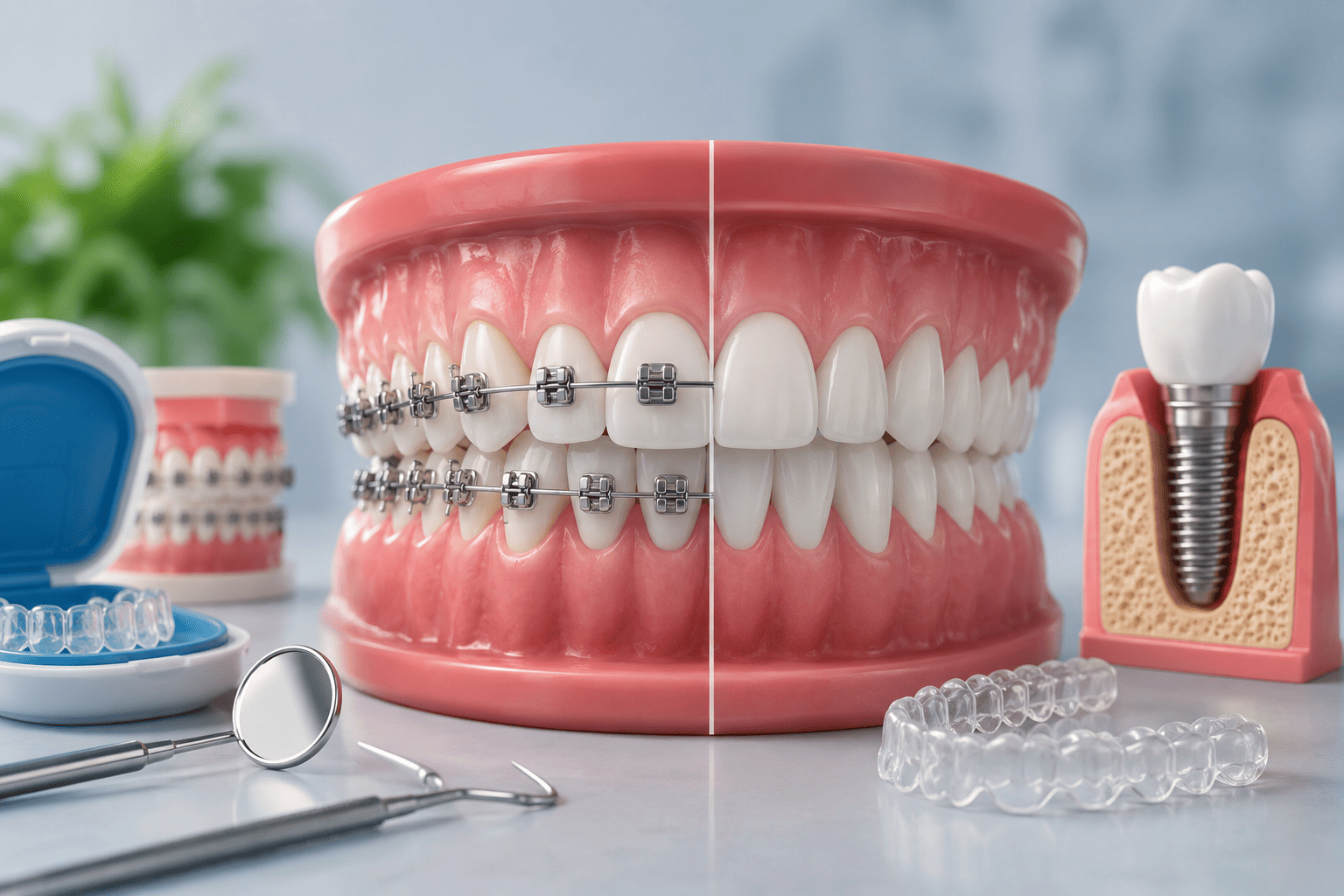
Orthodontic treatment is often associated with the idea of creating the perfect smile, but the positive effects are not limited by this only. Well-aligned teeth and proper bites contribute to better oral health, more efficient chewing, speech clarity, less strain on certain teeth. Orthodontics is one of the spheres of contemporary dentistry and it deals with the process of diagnosis and personalized orthodontic treatment plans. In this article we will explore the benefits of orthodontic treatment, history of this field and importance of keeping teeth in good shape after receiving orthodontic treatment.
About Orthodontic Treatment
There are various types of orthodontic treatments that involve the usage of dental appliances including braces, invisible aligners, retainers and so on. Orthodontic treatment is always personalized due to different circumstances in each particular case, therefore a treatment plan is developed after the clinical evaluation, X-ray imaging and bite analysis. Even though orthodontic treatment helps people to get a beautiful smile, the main aim of this procedure is to improve the functioning of teeth and bite.
Improved Alignment Results in Improved Oral Hygiene
Crowded, overlapped, or misaligned teeth may result in problematic areas concerning cleaning because of tight contacts between the teeth. Such areas increase the risk of developing caries or periodontal disease. Orthodontic treatment leads to improvement in spacing between teeth and better alignment which allows the patient to practice improved oral hygiene. Regular oral hygiene should be maintained by the patient, but better aligned teeth contribute to improved oral hygiene and improved gum health.
Maintenance of Periodontal Health and Bone Structure
Gums form the basis for proper function of teeth. One of the factors that may contribute to plaque accumulation and gingivitis is the poor alignment of teeth if there is no sufficient oral hygiene. Improved alignment of teeth results in more even chewing forces on the teeth and helps maintain healthy periodontium.
Improving Bite Function and Tooth Retention
Having the correct bite is important for ensuring that teeth function correctly during eating and speaking. Bite problems such as overbites, underbites, cross bites, and open bites among others can cause unnecessary stress on some specific teeth. Treatment through orthodontics will ensure proper bite function and help reduce wear and tear on specific teeth. Although orthodontics cannot solve all dental problems, improving bite balance will improve tooth retention along with other ways of practicing oral hygiene.
Orthodontics Treatment Evolution: The Old vs New
The orthodontics treatment has undergone some significant alterations in the last decades. Back in time, there were large stainless steel brackets, thick wires, and manual impressions. While this treatment was quite effective, it could not always guarantee comfort for patients.
Today, the process of orthodontic treatment utilizes more innovative methods which help in improving diagnostics and treatment. Impressions are replaced by digital scans providing 3D models of teeth. Brackets, heat-activated archwires, and aligners ensure greater comfort during the process of moving teeth. Thanks to the modern programs, orthodontists are able to see the result of the procedure prior to starting it. Nevertheless, in spite of the innovations in this field, exact diagnostics, good patient cooperation and frequent visits are important in order to achieve positive results.
Other Long-Term Benefits Apart From Possessing a Beautiful Smile
The process of orthodontics has the capability of delivering a wide range of benefits that can last for years as long as the individual cares for his/her mouth by cleaning and using retainers. The benefits include:
- Making the brushing and flossing process easier.
- Proper working of the bite.
- Reduced wear of the teeth.
- Good gums.
- Increased self-confidence as a result of having a better smile.
It should be noted that even after receiving the orthodontic treatment, some other things are required for ensuring good oral health such as visiting the dentist for checkups and cleanings, using good quality toothpaste if need be, and proper nutrition.
Orthodontics and Dental Implants
Dental implant is a replacement tooth root used as a base for a crown, bridge or dentures. Sometimes there are cases when orthodontics and dental implants are interconnected while providing treatment. If patients have not a tooth or several teeth, they will undergo orthodontics treatment in order to make room for implants and straighten their bite. Implants cannot move after being put into the jawbone and they do not move around like common teeth, so orthodontics always come before the implants procedure.
Cohesion of the work of the orthodontist, dentist and implantologist will give the best possible results.
Retention Following Orthodontic Treatment
As soon as the phase of active orthodontic treatment is over, retainers are needed in order to ensure that teeth remain at the new position.
Along with wearing retainers, the patient must:
- Brush his/her teeth with good quality toothpaste two times a day.
- Floss daily.
- Visit the dentist for routine checkups.
- Obey instructions about the use of the retainer.
- Maintain a balanced diet.
Conclusion
There are many advantages of orthodontic treatment which go far beyond its purely aesthetic aspect. Orthodontic treatment will improve your mouth hygiene, ensure healthy gums, improve biting efficiency and help preserve your teeth in the future. Many innovations have greatly contributed to the development of orthodontics in the age of technology and made orthodontic treatment both more precise and comfortable for the patient. If you combine orthodontic treatment with good hygiene and visits to the dentist, you may see it as an investment into your health.
Frequently Asked Questions (FAQs)
- Is it possible for adults to have orthodontic treatment?
Yes. The age of the patient is not what determines whether or not one can have orthodontic treatment. What matters here is good teeth and gum health.
- Can orthodontic treatment protect against cavities?
It cannot do so all alone. Orthodontic treatment is bound to make it easier to brush the teeth, and this will play a role in preventing cavities.
- How long does orthodontic treatment take?
The time taken will depend on how complex the condition is. Usually, comprehensive orthodontic treatment takes 12 to 30 months.
- Are there situations where clear aligners would work better than braces?
Usually, clear aligners are very useful in correcting minor and moderate problems. In some instances, braces will still be needed.
- Why are retainers needed after orthodontic treatment?
They are necessary to keep the teeth in place.


 |
|