Is It Possible to Wear Invisalign When I Grind My Teeth?
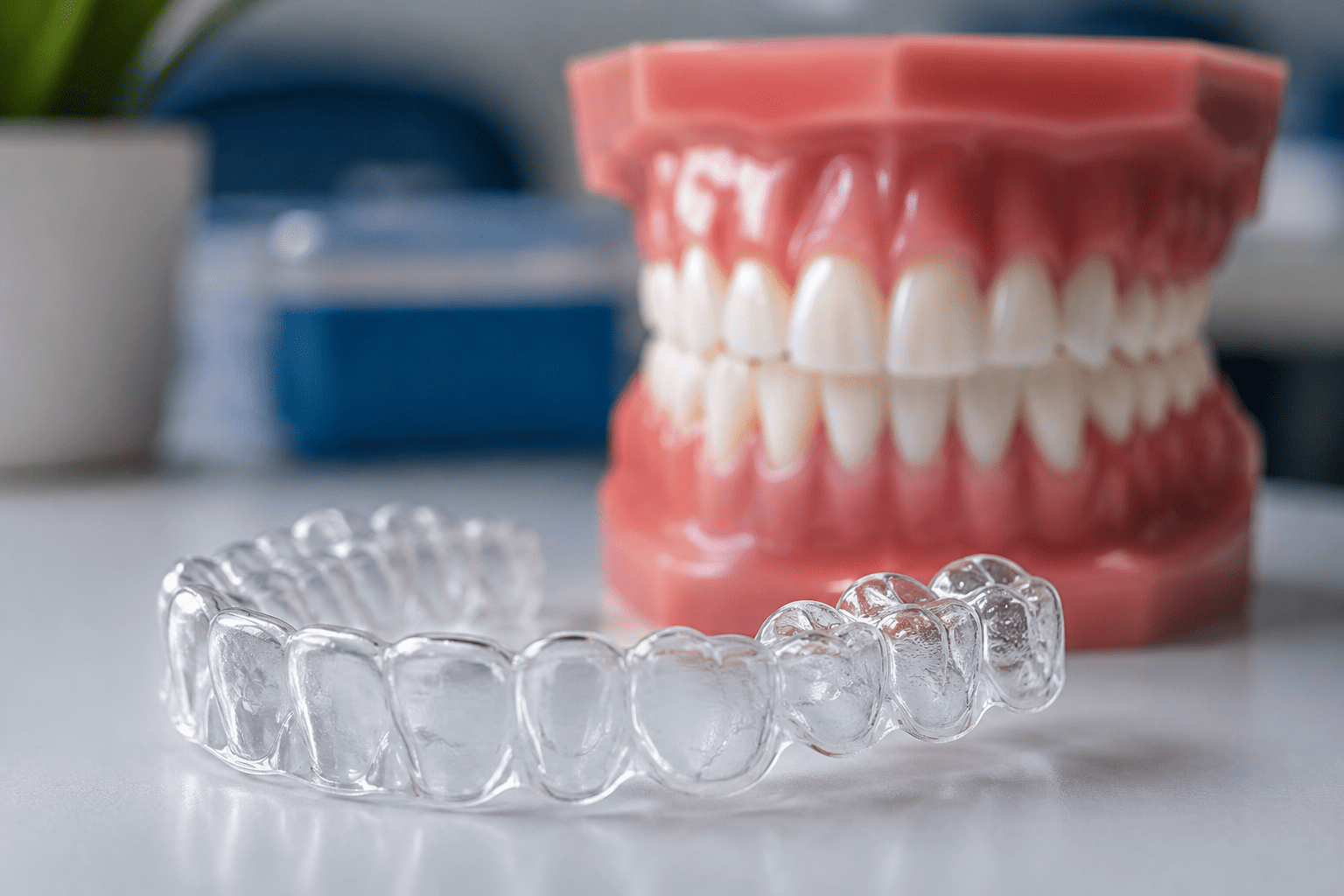 One of the common problems for those who are planning to undergo orthodontic treatment is teeth grinding, which is medically termed bruxism. People who are used to clenching or grinding their teeth may be concerned that Invisalign will not be suitable for them. It must be said that bruxism does not exclude the opportunity to use Invisalign. A Dentist in the Colony can examine the teeth, bite, and other features of the oral cavity to find out if clear aligners can suit the patient.
What is Teeth Grinding?
Teeth grinding is defined as constant clenching and rubbing of upper and lower teeth against each other. It might happen both while you are asleep and during the daytime, and you probably do not even notice when you do it. Long-term teeth grinding may cause worn enamel, sensitivity of the teeth, small cracks, pain in your jaw, headaches, and problems with your bite. These issues should be detected before orthodontic treatment.
Is Invisalign an Option for People with Bruxism?
In most instances, it is possible to get Invisalign despite bruxism since Invisalign is designed in such a way that it fits tightly over the teeth and moves them to the desired position. However, it should be noted that the state of the patient’s teeth and the intensity of bruxism should be taken into account before starting any treatment.
The Importance of an Examination
It is important to conduct an examination to find out if the condition of the patient’s teeth allows him or her to wear Invisalign. It will be necessary to check whether the teeth have any cracks, cavities, gum problems, bite problems, and other abnormalities. The severity of bruxism is also worth considering.
Can Invisalign Prevent Teeth Grinding?
While wearing the Invisalign aligners, the teeth will be covered, which provides a physical barrier between the top and bottom teeth. But the aligners cannot be assumed to treat bruxism by themselves. Bruxism forces can exert pressure on the aligners, which might lead to wear, cracks, and damage. D Dental can analyze your unique case and decide whether further precautions or treatment for grinding is necessary.
What If I Grind Excessively?
Patients with bruxism need special attention while undergoing Invisalign treatment. The grinding will result in increased wear of the aligners. This might also affect your treatment in some cases. Your dentist might check on your teeth more often and make the needed adjustments to your treatment. In some cases, addressing the problem that causes grinding might be an integral part of your treatment plan.
Treatment of the Root of Teeth Grinding
There are many different reasons for teeth grinding, which include but are not limited to stress, anxiety, improper alignment of the jaw, sleep conditions, or other habits. Identifying what might be the cause will allow choosing the right approach to addressing the problem. Depending on your situation, your dentist will talk to you about the possible options such as relaxation therapy, bite examination, night guard, and others. Your dentist will be able to advise on how your oral health can be evaluated in connection with using Invisalign.
Influence of Bruxism on Invisalign Therapy
The presence of bruxism will not stop Invisalign therapy from becoming successful; however, it will affect the way in which the treatment will be carried out. The extra pressure might cause destruction of the aligners, while heavily ground teeth would need extra attention from a dentist. It is also important to follow the recommendations of your dentist and wear the aligners consistently.
Signs that You May Be Clenching Your Teeth
Some symptoms that might suggest you are grinding your teeth include flattened or chipped teeth, sensitivity, jaw pain in the mornings, frequent headaches, and tender areas on the face and temples. Additionally, a loved one might tell you that he or she can hear you grinding while you are sleeping. If you have such symptoms, inform your dentist about them before starting Invisalign therapy.
Aligner Maintenance for Bruxism Sufferers
If you grind your teeth during Invisalign treatment, maintaining aligners will play a crucial role. Brush your aligners as recommended by your dentist, and check them periodically for cracks, sharp edges, or any abnormal wear. Moreover, do not use your aligners for purposes different from those they were designed for. In case your aligners get broken, do not continue wearing them; inform your dental clinic about it.
Is Invisalign Really Beneficial for Your Bite?
Another possible benefit of orthodontic therapy is that with proper planning of tooth movement, the patient may achieve an improvement in some bite issues. According to the reason for grinding, correction of the teeth position can help improve the bite as well. Nonetheless, it cannot be assumed that Invisalign treatment will definitely cure bruxism. It is necessary to analyze the connection of the bite, jaw movement, and teeth grinding on an individual basis.
Discuss Your Dental Health with the Dentist Before Starting Treatment
Just because you grind your teeth does not necessarily mean that there is no hope for you to undergo Invisalign treatment at all. Rather, it is better for you to talk about your oral health and the issue of grinding with your dentist. It will help to consider everything related to your teeth and bite when planning the treatment.
Final Thought
Grinding of teeth can present some extra concerns while trying to get Invisalign; however, that does not necessarily mean that you cannot achieve a perfect smile. An examination can tell whether your teeth, gums, bite, and jaws are ready for Invisalign and whether you need to address grinding before starting treatment. If you are interested in getting Invisalign and need some expert advice, D Dental is there to assist you. A trusted Dentist in Lewisville can evaluate your oral health and help determine whether Invisalign is suitable for your needs.
Frequently Asked Questions
1. Can I get Invisalign if I grind my teeth?
Yes, many people with bruxism can still use Invisalign. A dentist will evaluate your teeth, bite, jaw, and the severity of grinding before recommending treatment.
2. Can Invisalign protect my teeth from grinding?
Invisalign aligners create a barrier between the upper and lower teeth, which may reduce direct tooth-to-tooth contact. However, aligners are not a treatment for bruxism and may experience increased wear from grinding.
3. Will teeth grinding damage my Invisalign aligners?
Excessive grinding can cause aligners to wear down, develop cracks, or become damaged. If you notice unusual wear or damage, contact your dentist for guidance rather than continuing to use a damaged aligner.
4. Should I tell my dentist if I grind my teeth?
Yes. Informing your dentist about clenching or grinding allows them to assess your oral health and consider the condition when creating your Invisalign treatment plan.
5. Can Invisalign help improve my bite if I have bruxism?
In some cases, Invisalign can help correct certain bite problems by gradually moving the teeth into better positions. However, Invisalign should not be considered a guaranteed cure for bruxism. A dental evaluation is necessary to determine the most appropriate approach.


 |
|