Filling Gaps Between Teeth for a Brighter Smile
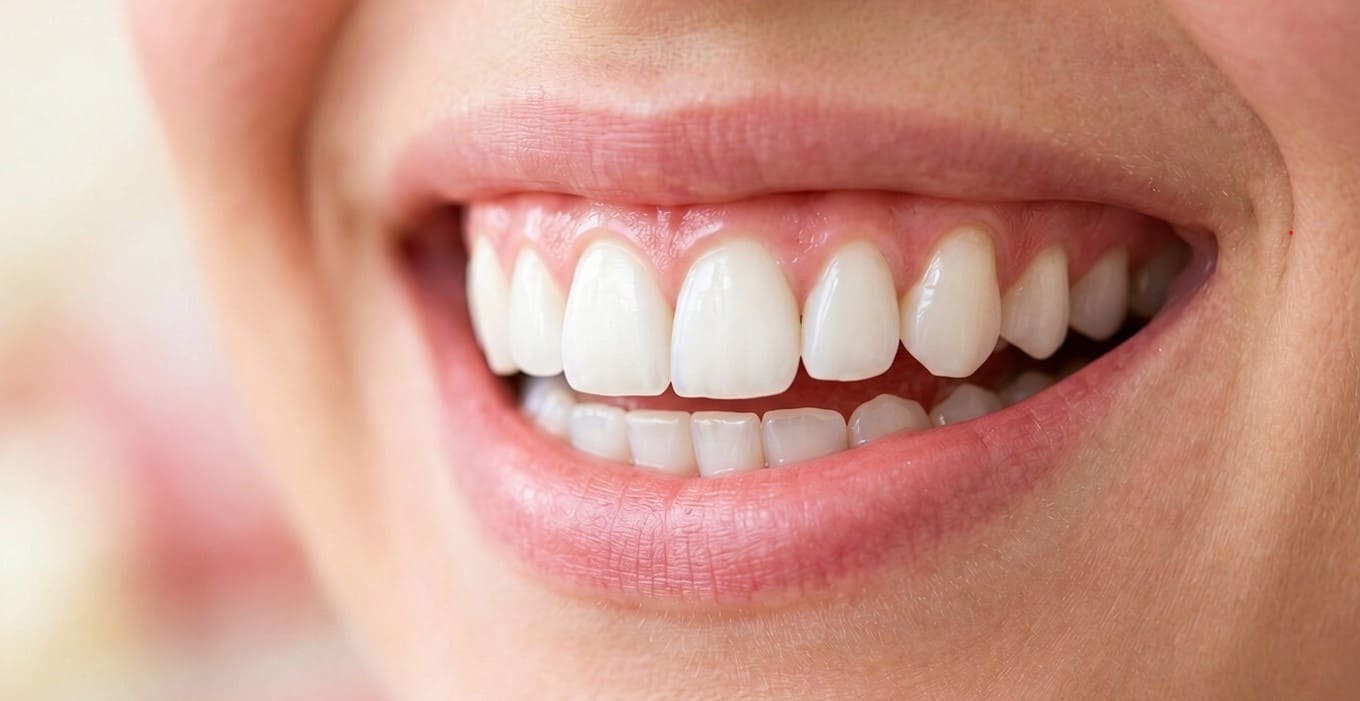
Gaps in teeth can appear for many reasons. For example, some individuals may have teeth gaps by nature, while others may develop gaps between teeth due to the movement of teeth, absence of teeth, the effect of gum disease, or pressure from bad habits. While gaps of limited size may not indicate a health risk, larger openings might limit chewing or speaking abilities or even make some people uncomfortable smiling. The first step in dealing with gaps is determining the cause of the problem.
What Are Possible Causes of Teeth Gaps?
Spaces between teeth are called diastemas. One of the most visible types of teeth gaps is that found between the two upper front teeth; yet, the gaps may occur anywhere in a person’s mouth. Genetics plays a big role in making the teeth a certain size or shape or in the amount of space available in the jaw. For example, a large labial frenum may cause two front teeth to develop a gap between each other.
Whenever there is a missing tooth, there are likely to be spaces created in the mouth. This is because the neighboring teeth may have a tendency to shift toward that space. Gum diseases may also contribute to space formation since advanced gum diseases can cause damage to the tissues and bones that support the teeth. Certain childhood behaviors, such as sucking the thumb for a prolonged period, may also contribute to possible gaps in the mouth.
Is treatment for the gap always necessary?
Not always. The presence of space in the mouth does not always mean there is a dental problem. There are instances where people’s teeth and gums are very healthy, and there is functionality of their bite without having any gaps. Some people may have spaces that are stable throughout their lives without moving. It is wise to seek a dental check-up in cases where space occurs suddenly, size increases, or is accompanied by issues like bleeding gums, loose teeth, pain, and/or altered bite. The dental professional will check teeth, gums, and jaws for health, functionality, and/ or cosmetic purposes.
Options for the Treatment of Gaps between Teeth
The most suitable treatment method for a gap will vary depending on the cause of the gap, its size, the condition of the adjacent teeth, and the patient’s general oral health status. Thus, there are no universally suitable options.
Dental Bonding
Dental bonding may be viable in cases of small gaps. The procedure involves the application of a composite tooth-colored resin to the surface of a gap, creating a natural appearance. Once the resin is in place, it is hardened and polished. Since dental bonding uses minimal alteration of natural teeth, it is very suitable for those looking for a more conservative form of cosmetic treatment.
Porcelain Veneers
Porcelain veneers are thin layers first created to enhance the look of teeth. In some cases, they can be used to change the shape of teeth and close gaps, as well as address such issues as discolorations or uneven teeth proportions.
Orthodontics
Braces or clear aligners might come into play when issues affect tooth alignment. Instead of only addressing visual gaps, orthodontics focuses on gradual repositioning of teeth into correct positions. This approach is especially beneficial in case several teeth need to be aligned or if the gap relates to bite problems. For those looking for appropriate treatments locally, searching for dentists in the colony allows them to locate competent specialists who can discover the source of the gap as well as suggest the needed treatment methods. Carrying out evaluations is more efficient than using photos and online information to make treatment decisions.
What Happens When There Is a Gap Due to Missing Teeth?
While it is important to understand how bad an opening is, it is equally important to know why the opening occurred. If the opening is closed without learning what caused it, long-term results may not be as desirable as expected. A dentist can check gums, roots of teeth, bite, tooth alignment, and dental health before suggesting treatment. When it comes to local options for dental care, individuals looking for a dentist in Lewisville should look for different methods and types of treatment. Understanding what caused the gap, treatment alternatives, long-term maintenance, and the condition of adjacent teeth can make the process easier.
Signing Up for Your Orthodontic Treatment
After a gap has been corrected, maintaining the health of teeth and gums is essential. Daily brushing with fluoride toothpaste, interdental cleaning, and visiting the dentist regularly are some of the precautions to preserve the results. Depending on the method of treatment, a retainer or other maintenance device may be prescribed to prevent shifting of teeth. For those looking to undergo cosmetic or restorative treatment, Dr. Ryan Daniel is fully capable of assessing the condition of teeth and gums and ensuring that the treatment is appropriate for the individual.
Ultimately, filling a gap does not just mean bringing teeth closer together. It means treating the underlying dental cause and keeping the teeth and gums healthy in the process. If a gap results from tooth loss, one restorative option is a dental implant, but bonding, veneers, or orthodontic treatment may be considered in some cases. A thorough examination can ensure that the best option is chosen to provide the right balance between appearance and functionality.
Frequently Asked Questions
What is the best way to treat gaps between teeth?
The treatment that is appropriate is determined by the cause and size of the gap, as well as the position of the tooth and the health of the gums.
Is it possible for the gap between the teeth to open again even after being treated?
The possibility exists that the spaces may come back owing to an unsuccessful therapy.
Can dental bonding be used to close gaps between teeth?
Dental bonding can help close small gaps in the teeth with the use of a composite material that is tooth-colored.
What are the options for dealing with gaps caused by loss of a tooth?
In the event that a gap is produced by the absence of a tooth, the dentist can resort to using bridges or dentures.
Can braces or clear aligners be used to fix gaps between teeth?
Braces and clear aligners can be useful in the process of repositioning the teeth over time to close gaps that form due to poor alignment between teeth.


 |
|