What Do You Do If You Need an Emergency Dentist?
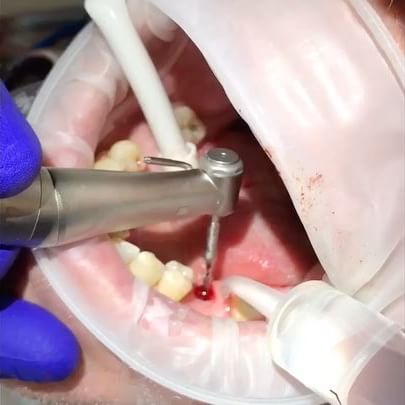 Having a dental emergency can be very frightening and painful. Most people, though, are not actually sure of what constitutes and dental emergency, including who they should call and what they should do should they have a dental emergency at home. Keep in mind the guidelines below for determining to best deal with a dental emergency.
Is Your Dental Emergency Urgent?
Some dental emergencies require urgent intervention, while others can wait for treatment. Urgent dental emergencies that require immediate attention from your dentist include non-stop bleeding, a loose or knocked-out permanent tooth, painful swelling, or an injured jaw. Non-urgent emergencies include lost bridge, crown, or filling; cracked or broken tooth, food lodged between teeth, and dull toothache.
Who Should I Call in an Emergency?
The obvious go-to in case of a dental emergency would be your dentist, although it is sometimes best that you immediately go to the emergency room. Go to the emergency room if you have unbearable bleeding or pain and your dentist’s clinic is closed. If it is non-urgent, call your dentist and explain your situation. From here, your dentist can decide if you need to be seen by a medical professional right away or not.
What Should I Do at Home?
Severe Toothache
The severe toothache needs urgent attention. Your mouth needs to be cleaned by using warm water for rinsing it. You should brush your teeth to get rid of any debris from the tooth surface. In case of swelling, you need to apply a cold compress to the swollen area. You can use painkillers but avoid putting aspirin directly into the gums.
Severely broken tooth
Keep all of the tooth pieces intact and secure them somewhere. Rinse your mouth with lukewarm water to cleanse the affected area. If you are bleeding, place a clean piece of gauze on the area for about 10 minutes until the bleeding stops. Apply ice to your cheek or lip to alleviate pain and swelling.
Tooth knocked out of socket
Gently pick up the tooth and avoid touching the roots but the crown of the tooth. Rinse the root gently with water. Never scrub the tooth. Try to put it back in the socket by yourself if you can and put it in proper position without putting much pressure. Otherwise, keep it submerged in milk or saline.
Immediate Care for Dental Pain Relief
See your dentist right away As you make your way to the dentist’s office, try putting some ice packs on the outer side of your cheek, where you feel the pain If required, take an OTC pain medicine, such as acetaminophen, ibuprofen or naproxen to relieve pain and inflammation Do not put anything into your mouth until you see your dentist
Dental Abscess Treatment and Relief
A dental abscess is an infection that is located either in the gums or the tooth itself. This situation affects the regions surrounding it such as the gums, teeth and tissues among others. There may also be other regions affected such as the jawbone or the face. You must see the dentist immediately for the appropriate treatment. For temporary relief, rinse your mouth using salt water.
Lost or Damaged Dental Filling
If your old dental restoration such as a filling, crown, or bridge has become loose or even come out completely, you should put back in your mouth either the sugarless chewing gum or temporary dental cement to keep the tooth covered. In case of the lost crown or bridge, you can put it back using the denture adhesive or temporary cement.
Injured Tissues (Bleeding from Mouth)
If you have injuries on your tissues like the gums, lips, cheek, tongue that bleed, then you need to rinse your mouth with the warm salt solution. Gently press the affected tissue with gauze pads or a moist tea bag for 15-20 minutes. Cold packs can also be applied on your face where the cheeks are situated.
How to Prevent Dental Emergencies?
Along with proper oral hygiene, one of the best ways to protect yourself from a dental emergency is to regularly see your dentist for routine check-ups and cleaning. This way, potential problems can be detected and treated before they even show symptoms. Other tips include completing the treatments your dentist recommends and staying away from tough or chewy foods.
Dental emergencies are not exactly fun, but knowing how to handle them can be a great help. Just make sure that you first determine the urgency of your particular emergency and contact the right professional to treat you. Talk to your dentist for more information about dental emergencies and what needs to be done.


 |
|