Veneers and Their Effect on Natural Teeth
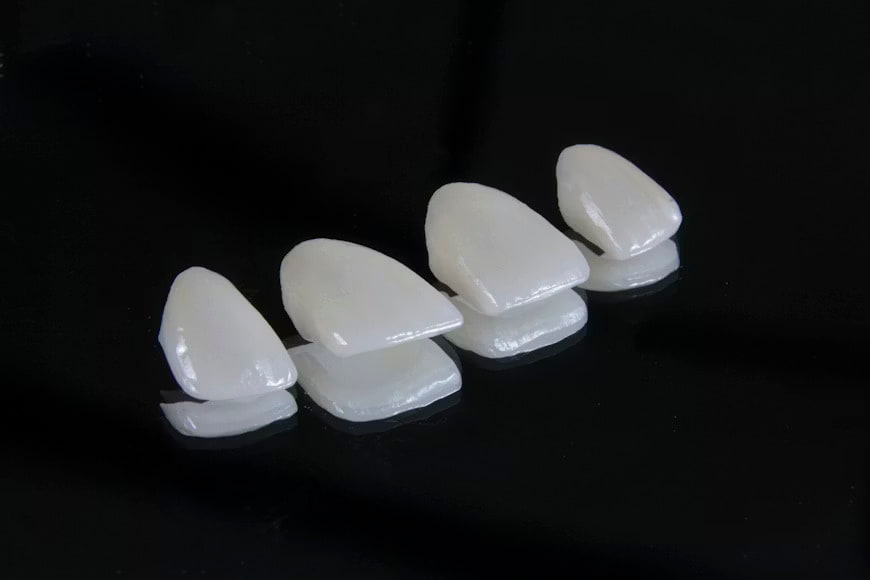
In today’s world, dental veneers have come to be the go-to cosmetic treatment for those who wish to improve the aesthetics of their smile. In essence, dental veneers are thin shell-like structures placed onto the surfaces of the teeth in order to hide certain dental imperfections, which include stained teeth, small cracks, misalignment, and gaps between the teeth. While veneers can greatly enhance one’s smile, many patients wonder what effect veneers will have on their natural teeth.
Dental Veneers – Definition and Types
To start with, dental veneers are defined as thin structures placed on top of natural teeth to conceal imperfections. Veneers can be made from porcelain or composite materials and mimic other teeth in terms of color, size, and shape. The former type of veneer is especially popular as it is resistant to staining and lasts long.
Tooth Preparation for Veneers
In order to place veneers, a small amount of the front part of your teeth will have to be prepared. Tooth preparation helps ensure that veneers fit in seamlessly without making them look unappealing due to their bulky appearance. Although a very small portion of enamel needs to be removed during tooth preparation, this process is irreversible. Once tooth preparation has been performed, it will always require some sort of treatment in the future.
Teeth Protection
Apart from making your teeth look beautiful, veneers can help protect your teeth as well. Just like stated above, porcelain veneers are strong and help shield your teeth from daily wear and tear. Veneers can help you protect your teeth; however, that doesn’t mean that your teeth become invincible after veneer application. Therefore, you should avoid bad practices such as eating ice or nail biting.
Impact on Tooth Condition
In this case, the applied veneer does not become a reason for the development of decay or periodontal disease, because it is not influenced by these negative factors. However, it is extremely important to maintain proper oral hygiene to prevent the formation of caries near and below the veneer. Regular teeth brushing, flossing, and frequent visits to the dentist will help to ensure that both the veneer and the natural tooth remain in perfect condition for a long time.
Tooth Sensitivity After the Procedure
As a temporary reaction to the installed veneer, it is possible to experience the problem of sensitivity. It appears as a consequence of removing a small layer of enamel before applying the veneer.
Long-Term Issues
Veneers are famous for their longevity and porcelain veneers are expected to last around 10-15 years if properly taken care of. However, even with their durability, veneers cannot last forever and may need to be replaced after some time. The reason why replacement and maintenance of veneers is a lifetime process is because of their initial application, which involves modifying the existing tooth.
Identifying an Ideal Candidate
Veneers are among the most sought-after dental restorations nowadays. However, not all patients can qualify for the procedure as veneers are mainly meant for individuals with healthy mouths and no gum disease. Those who have teeth cavities and those who grind their teeth are not recommended for veneers and may need other dental procedures first before receiving veneers.
Conclusion
Veneers offer an excellent way to enhance your smile without compromising on the strength and functionality of your own teeth. While a bit of enamel is lost during the procedure, veneers are not necessarily detrimental to your healthy teeth. As long as you keep up good oral habits and go for checkups, you can enjoy a gorgeous smile for years to come thanks to veneers and preserve your natural teeth at the same time.


 |
|