7 Things That You Should Know Before You Decide to Have Dental Implants
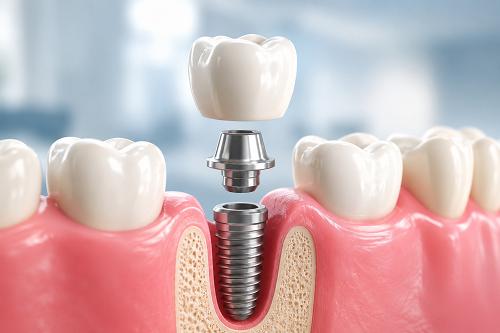
Dental implants are considered one of the most effective and reliable ways to replace missing teeth. With the latest developments in digital dentistry, implant planning, and biocompatibility of materials used, today’s dental implants deliver consistent and long-lasting results for many people who need them. Be it one or multiple missing teeth, learning more about the procedure can be beneficial before making your decision. Here are 7 important things that you should know about dental implants.
Dental Implants Provide the Functionality of Tooth Roots
As opposed to conventional bridges and removable dentures, dental implants serve not only as a replacement for the visible part of a tooth but also as a replacement for tooth roots. After the healing period, a crown, a bridge, or a denture made according to your individual specifications will be placed on top.
Oral Health is Vital to a Successful Treatment Procedure
Many factors can influence the success of your treatment process; however, the most important factor is the good condition of the oral cavity before beginning the treatment. If your gums and jawbone are healthy, you will have a strong foundation for your implants. Your mouth will be thoroughly examined by your doctor, which may involve technologies such as digital X-rays or 3D CBCT images to assess the bone condition and address potential issues before the implant treatment.
Missing Teeth Does Not Necessarily Mean That There Is No Hope For Implants
Some patients believe that they do not qualify for implants because they have lost bone due to their missing tooth. The truth is that modern dentistry has advanced techniques to build or restore the jawbone to make you suitable for implants. It is helpful to consult your dentist early on, since it is better to replace the missing teeth as soon as possible to avoid bone loss.
It Is a Slow Process But Provides Numerous Benefits in the Future
Unlike many other procedures, dental implants do not usually happen within one visit. The jawbone requires some time to heal after inserting the implant and get used to it. In some cases, it might take from a few weeks to a few months until the permanent crown can be fitted onto the implant. Even though the procedure takes its time, it is worth noting that in the future, you can benefit from improved ability to chew, enhanced speaking, comfort, and a perfect smile that can last for many years with proper maintenance.
It Is Crucial To Take Care Of Your Implants
Although artificial teeth cannot form cavities as natural ones do, they also need careful oral hygiene. Bacteria and plaque can have an impact on the gums around them, causing different types of peri-implant disease when oral hygiene is disregarded. Brushing your teeth two times per day, using certain methods to clean between your teeth and implants, as well as making dental appointments, will guarantee the health of the implant.
Lifestyle Habits May Impact Implant Longevity
The lifestyle choices you make are an important factor that will determine how long your dental implants last. For instance, smoking and the use of tobacco products have consistently been shown to slow down the process of healing and increase the risks of implant problems. Uncontrolled diabetes may have an impact on the process of healing, but those whose condition is under control can undergo implantation after thorough evaluation. Eating right, being in good health, and following the instructions given by your dentist will ensure success. If you grind your teeth in your sleep, your dentist may suggest a custom-fitted mouth guard for your new restoration.
Dental Implants Bring Functionality and Aesthetics
Among the best features of dental implants is the opportunity for aesthetic restoration as well as functionality. They preserve the shape of the face through support of the jawbone, prevent movement of adjacent teeth, and offer stability while chewing and talking. Implants don’t need any adhesives, and they feel like real teeth. Additionally, technological developments have enabled dentists to use digital smile design and create custom implants that blend perfectly with natural teeth.
Conclusion
To sum up, dental implants remain a highly effective and dependable solution to tooth loss. To guarantee success, it is necessary to know how implants work, maintain healthy gums, practice correct oral hygiene, and consult an experienced dentist. When done properly, implants can provide many years of comfort, satisfaction, and oral health, so it pays to invest in them.
Frequently Asked Questions
- How long do dental implants last?
Taking into account proper oral hygiene, regular visits to the dentist, and a healthy lifestyle, dental implants can serve you for many years, sometimes even several decades. However, after some time, the crown on the implant will have to be replaced because of its wear.
- Does getting a dental implant hurt?
As mentioned above, the operation is conducted under local anesthesia, and therefore, there is practically no pain while carrying out the procedure. Soreness is possible in the first few days after the operation.
- What type of person makes a good candidate for dental implants?
Healthy people who have healthy gums and a strong jawbone support make good candidates for dental implants. During the dental examination, it will be decided if any further treatment, such as bone grafting, is required before implantation.
- How long does the whole procedure of a dental implant take?
The duration of treatment depends on an individual’s needs. In most cases, it takes several months to complete the whole treatment process. Some people can opt for fast treatment procedures, too.
- Do dental implants resemble natural teeth?
Yes, dental implants today are designed in a way that resembles natural teeth both in terms of shape, color, and size.


 |
|