7 Common Teeth Whitening Mistakes to Avoid
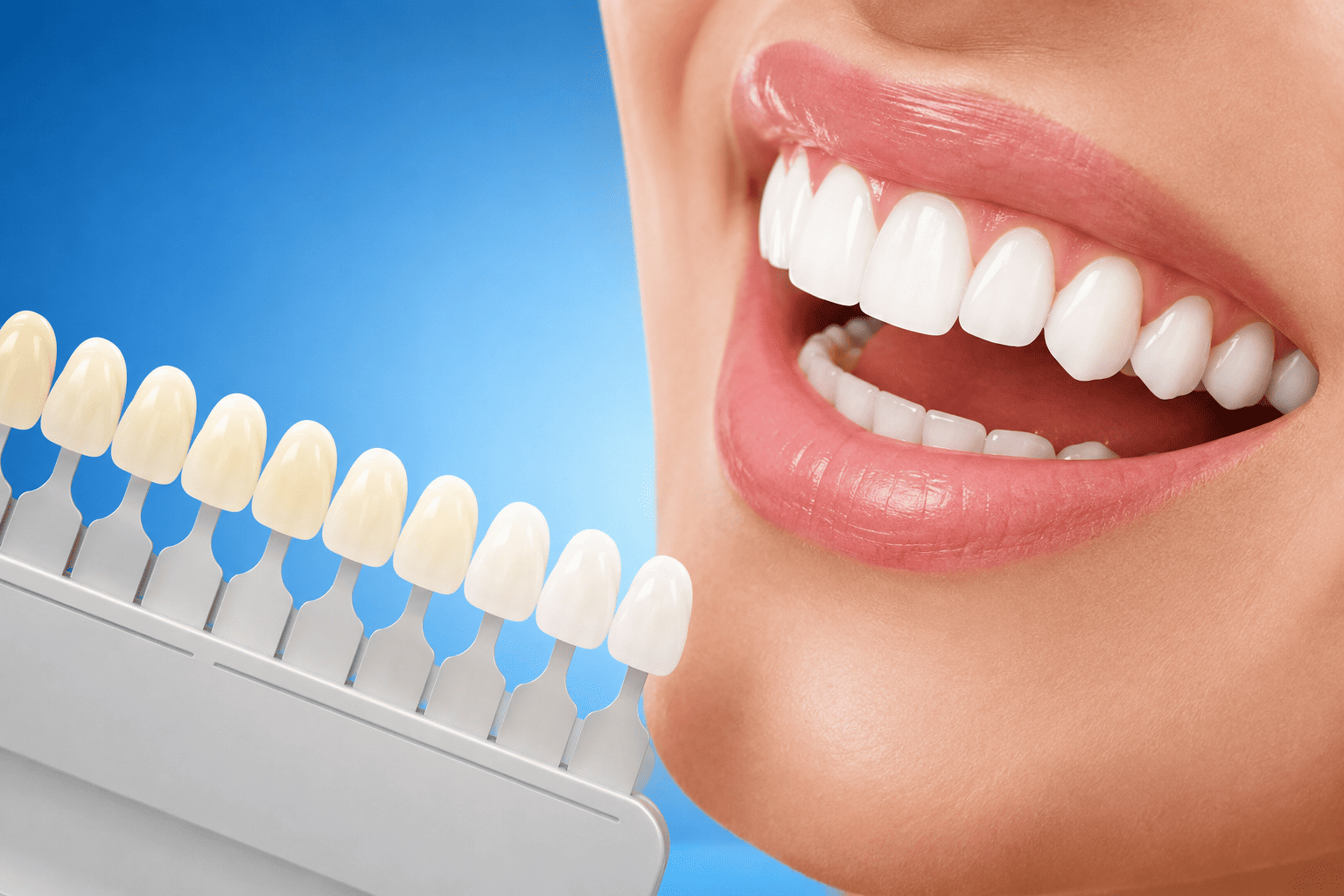
A brighter smile can improve confidence, but teeth whitening should not be treated like an ordinary beauty routine. Many people use whitening strips, gels, trays, or other products and assume that applying more product or leaving it on longer will produce better results. In reality, improper use can increase the risk of tooth sensitivity, gum irritation, and discomfort. Understanding common whitening mistakes can help you protect your oral health while working toward a brighter smile.
Whitening Your Teeth Too Often
One common mistake is whitening your teeth more frequently than recommended. Some people continue whitening because they want to maintain a brighter appearance, but repeated or excessive use may contribute to tooth sensitivity and gum irritation. The appropriate frequency depends on the whitening method, product instructions, and individual oral health. If you are unsure how often you should whiten your teeth, speaking with a dentist in Lewisville can help you choose an appropriate approach. For personalized guidance, patients can also discuss their whitening goals with D. Dental, where professional evaluation can help determine a suitable treatment plan.
Ignoring Tooth Sensitivity
Sensitivity before, during, or after whitening should not be ignored. Peroxide-based whitening products can cause temporary tooth sensitivity in some people, particularly when products are used incorrectly or too frequently. If sensitivity becomes significant, persists, or interferes with normal activities, it is better to stop whitening and speak with a dental professional. A dentist can help determine whether whitening is appropriate and recommend ways to reduce discomfort.
Using Whitening Products for Too Long
Leaving a whitening product on your teeth longer than directed does not necessarily produce better or faster results. Instead, excessive exposure to whitening ingredients can increase the likelihood of tooth sensitivity and gum irritation. Always follow the manufacturer’s directions for over-the-counter products or your dentist’s instructions for professionally provided treatments. If you are looking for a stronger or more controlled whitening approach, discuss your options with a dental professional.
Using more whitening gel than recommended is another common mistake. A larger amount of product does not automatically mean a whiter smile. Excess gel can come into contact with the gums and potentially cause irritation or discomfort. With professional teeth whitening, a dentist can select an appropriate treatment method and ensure the product is used correctly. Following the recommended amount is important whether you are using an at-home system or receiving professional treatment.
Whitening Without Considering Your Oral Health
Whitening without considering your existing oral health can create unnecessary problems. Cavities, cracked or damaged teeth, gum problems, and other dental concerns may need attention before whitening treatment. Whitening products are designed to improve tooth color, not treat underlying dental conditions. In addition, teeth with certain dental problems may be more sensitive during whitening. A dental examination can help identify concerns and determine whether whitening is appropriate for you. A Dentist in The Colony can evaluate your oral health before recommending cosmetic treatments and help you understand whether whitening is the right option.
Assuming Whitening Removes Every Type of Stain
Teeth whitening can improve many types of discoloration, but it does not work equally well on every type of stain. Surface stains may develop from coffee, tea, certain foods, tobacco, or other habits, while deeper discoloration can be associated with aging, certain medications, trauma, or changes within the tooth. It is also important to remember that crowns, veneers, and fillings generally do not change color when natural teeth are whitened. If discoloration does not respond to an appropriate whitening treatment, a dentist can help determine whether another cosmetic option may be more suitable.
Neglecting Oral Care After Whitening
The effects of the whitening treatment are not permanent, and some lifestyle choices can also cause discoloration of the teeth. Drinks like coffee, tea, tobacco, and some food items can also cause changes in the appearance of natural teeth. Proper dental care will help in preserving the whiteness of your smile. Brushing your teeth twice a day using fluoride toothpaste, cleaning between the teeth, drinking water, and visiting the dentist will keep your smile healthy.
The Importance of Professional Advice
Teeth whitening may appear simple, but the best approach depends on your individual oral health and the cause of tooth discoloration. Factors such as tooth sensitivity, enamel condition, gum health, existing restorations, and the type of staining can influence which whitening option is appropriate. If you have significant sensitivity, untreated dental problems, restorations on visible teeth, or are unsure why your teeth have become discolored, consulting a dentist before whitening can help you make a safer and more informed decision. Dr Ryan Denial can provide professional guidance based on your individual dental needs and help you understand the available cosmetic treatment options at D. Dental.
Frequently Asked Questions ( FAQ)
How often should I whiten my teeth?
There is no single whitening schedule that is appropriate for everyone. The recommended frequency depends on the type of whitening treatment, the product’s instructions, your oral health, and how your teeth respond to treatment. Avoid whitening more frequently or for longer periods than recommended.
Does teeth whitening cause sensitivity?
Teeth whitening can cause temporary sensitivity in some people. This is more likely with certain whitening products and may be more noticeable when products are overused or used incorrectly. If sensitivity is severe or continues after treatment, speak with your dentist before whitening again.
Should I see a dentist before whitening my teeth?
A dental examination can be particularly helpful if you have cavities, gum problems, cracked or damaged teeth, significant sensitivity, or existing dental restorations. A dentist can identify conditions that may need treatment and help determine whether whitening is suitable for you.
Can a dentist provide professional teeth whitening?
Yes. A dentist can evaluate your teeth and gums and recommend a professional whitening option based on your dental condition and cosmetic goals. Professional treatment may also provide more controlled application and guidance than using whitening products without professional supervision. Patients considering professional care can consult a Dentist in The Colony for an individualized evaluation.
How do I ensure that I maintain a white smile?
Ensure you practice proper oral care by brushing at least two times a day using fluoridated toothpaste and flossing. Reducing the use of tobacco products, foods, and beverages that can stain your teeth, drinking water, and visiting the dentist regularly will also contribute to having your natural teeth white.


 |
|