5 Impacts of a Missing Molar on Your Smile and Mouth
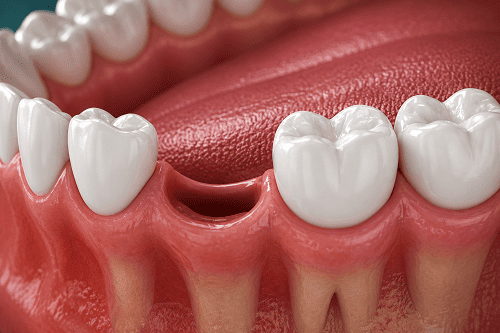
While a missing back tooth might seem insignificant because it isn’t prominently displayed when you smile, it can cause issues that go beyond aesthetics. In particular, back teeth are responsible for chewing, ensuring the bite is aligned, and supporting neighboring teeth. A prolonged period without a back tooth may lead to various mouth-related problems. Learning the impacts of a missing molar will help you choose the right dental options to maintain your dental hygiene.
It Makes Chewing Harder
Back teeth are meant to grind food before swallowing. If one of these is lost, the others will need to compensate by working even harder. You will automatically use the other side of your mouth for chewing, especially with hard food. This adjustment in your chewing behavior can put pressure on the other teeth. This problem can get even worse when you find some types of food difficult to eat. It is important to replace your missing back tooth to regain normal chewing.
Teeth Next to the Tooth Gap Can Move into the Vacated Spot
Teeth have a natural tendency to rely on each other for strength and stability. In case a back tooth is extracted without filling the gap with any restoration, teeth next to it may start moving closer to it. At the same time, there will be a chance that the opposing tooth will start moving up or down due to lack of contact with another tooth. Such displacement will affect the way you bite and make cleaning certain spots more challenging. Displacement of teeth can leave empty spaces between them, which can trap food and bacteria. Regular checkups at the dentist can alert you about such changes.
It Could Impact Your Bite and Jaw Comfort
The way your teeth function as a system means that the absence of a tooth at the back could actually affect how your teeth mesh with each other, even though the absence is far back in your mouth. The alteration of your bite could cause certain teeth to experience undue pressure during mastication. Jaw pain or jaw fatigue could result in some situations due to the change in chewing habits. You should talk to a Dentist in the Colony if you have observed such a change in your bite after the loss of a tooth.
This Might Lead to Issues With Your Oral Health
An empty gap can make keeping your mouth healthy difficult. If your other teeth move out of place, cleaning between your teeth becomes difficult. As a result, plaque and food can accumulate in the gaps between your teeth, causing issues such as cavities or gum disease. The longer your tooth stays absent, the more changes there are in the environment surrounding your tooth. However, just because you have a missing tooth doesn’t mean that something bad will happen to you. A dentist in lewisville, a dentist will be able to check the condition of your teeth, gums, and jawbone and prescribe the right treatment for you.
It Can Affect Your Whole Smile and Self-Confidence
While the teeth that are located at the back part of the jaw do not always get noticed as much as other teeth, losing one can also make an impact on your smile and self-confidence. It can have a greater effect on how your mouth will work as well, especially when you are missing more than one tooth. A dental implant is just one of the many choices that are available for those who have a missing tooth. This can serve as an alternative to your lost tooth, as it acts almost the same way as a regular tooth does.
Why Is It Important to Replace a Back Tooth?
Not all missing back teeth will need the same treatment. It will depend on different factors like the position of the missing tooth, the condition of the surrounding teeth, gum health, bone structure, your bite, and even your own dental objectives. There are several ways you could replace that missing tooth – with implants or bridges.
The Next Step for a Healthier Smile
A missing rear tooth might make it difficult to chew, properly align your teeth, create a well-balanced bite, maintain good dental hygiene, and gain confidence. Placing a replacement could help regain the function of that tooth while also ensuring that the other parts of your mouth are protected. The point is that a missing back tooth should not be ignored just because it is hard to notice. It is always possible to diagnose existing issues through dental check-ups and avoid future problems.
Frequently Asked Questions
Could a missing back tooth lead to other teeth moving out of position?
Yes. As a tooth is missing, other teeth might slowly shift to fill up the gap. An opposing tooth might move as well, altering your bite.
Must a missing tooth always be replaced?
No. Your dentist can determine whether you need treatment depending on your missing tooth location, bite alignment, existing teeth, and your oral health.
What are ways to replace a missing tooth at the back?
Typical replacement methods include a dental implant, a bridge, or a removable partial denture. It all depends on your particular dental case.
Will my chewing be affected by a missing tooth?
Certainly, if the missing tooth happens to be in the back portion, then it can affect your efficiency in chewing food.
When should I consult a dentist if I have lost a tooth?
As soon as possible. This is because your dentist will be able to examine the area and advise you regarding the available alternatives for replacement.


 |
|