Why Your Teeth Are Turning Yellow: 6 Reasons & Prevention Tips
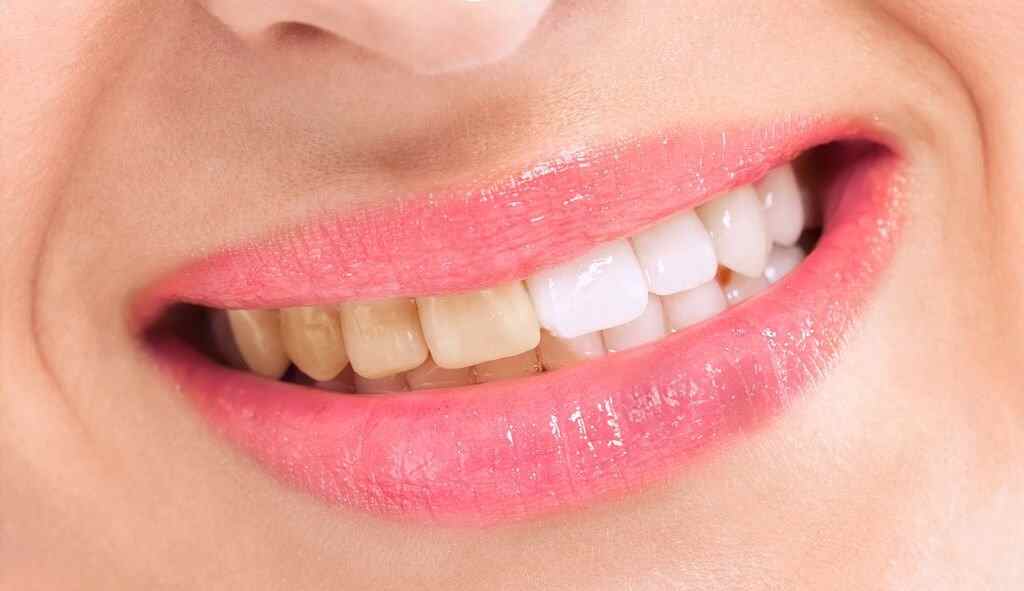 A bright, white smile is something many people desire, but achieving it can be challenging if you’re dealing with yellow teeth. Yellowing doesn’t occur overnight—it’s more likely the accumulation of everyday habits, the natural process of aging, and occasionally, even health issues. The good news is knowing the causes can help you stop or undo the yellowing of your teeth. Here are six usual causes of yellow teeth and how to steer clear of them.
-
Poor Oral Hygiene
One of the easiest causes of yellow teeth is bad oral hygiene. When you do not brush and floss, plaque accumulates and turns into tartar, which has a yellow hue. Not only does this thin layer dull your smile, but it can even cause more severe dental problems.
How to prevent it:
Brush your teeth a minimum of twice a day with fluoride toothpaste, and floss once daily to remove plaque between teeth. Adding a mouthwash can help kill germs in areas that are hard to brush and help prevent bacterial accumulation.
-
Consuming Staining Foods and Beverages
Some foods and beverages are infamous for causing tooth stains. Coffee, tea, red wine, soda, berries, and even tomato-based sauces have pigments and acids that adhere to enamel and discolor teeth over time.
How to prevent it:
Limit your consumption of these staining foods and mouth-wash with water afterwards. Drinking through a straw with beverages such as soda or iced coffee can also minimize contact with your teeth. Brushing your teeth 30 minutes after eating acidic or pigmented foods will help keep stains from forming.
-
Smoking and Tobacco Consumption
Tobacco is among the most destructive offenders when it comes to tooth staining. Nicotine and tar present in cigarettes as well as other forms of tobacco cause the teeth to stain rapidly, making them yellow or even brown over the long term.
How to prevent it:
The best thing is to stop smoking or consuming tobacco products entirely. Not only will it be good for your oral health, but it also makes your overall health much better and decreases the chances of developing severe diseases.
-
Thinning and Aging Enamel
As we get older, the outer layer of our tooth enamel naturally erodes. This leaves the underlying yellowish dentin exposed, which makes our teeth become more yellow even when we have good oral hygiene.
How to prevent it:
While you can’t avoid aging, you can prevent excessive enamel wear by not using very abrasive toothpaste and brushing your teeth gently with a soft-bristled brush. You can also help strengthen the enamel and maintain your smile using fluoride treatments and remineralizing toothpaste.
-
Genetics and Normal Tooth Color
Some individuals simply have teeth that are more yellow or slightly off-white because of their genetic makeup. The thickness of the enamel and the color of the dentin differ from one individual to another.
How to prevent it:
Although you can’t alter your genes, there are things you can do to whiten your smile. Professional teeth whitening procedures or cosmetic dentistry like veneers can make a difference and give you the smile you want.
-
Some Medications and Medical Conditions
Certain medicines—like antihistamines, antipsychotics, and some antibiotics—can stain teeth. Antibiotic use during tooth growth in children can result in irreversible stains. Health conditions such as dry mouth also lower the amount of saliva, which cleanses the mouth and shields teeth from staining.
How to prevent it:
If you’re concerned that a medication is affecting your teeth, consult your doctor or dentist. Staying hydrated, chewing sugar-free gum, and maintaining excellent oral hygiene can help counteract some of the side effects. In some cases, switching medications may be possible.
Conclusion
Yellow teeth can affect your self-confidence, but the good news is that most of the reasons are in your hands. Through regular dental care, careful food choices, and making some smart lifestyle adjustments, you can fend off tooth discoloration and keep smiling brightly. If you already see stains or yellowing, don’t panic—it’s never too late to begin anew. Consult your dentist about whitening and preventive treatments specifically for you.


 |
|