What to Do Immediately After a Tooth Is Knocked Out: A Step-by-Step Guide
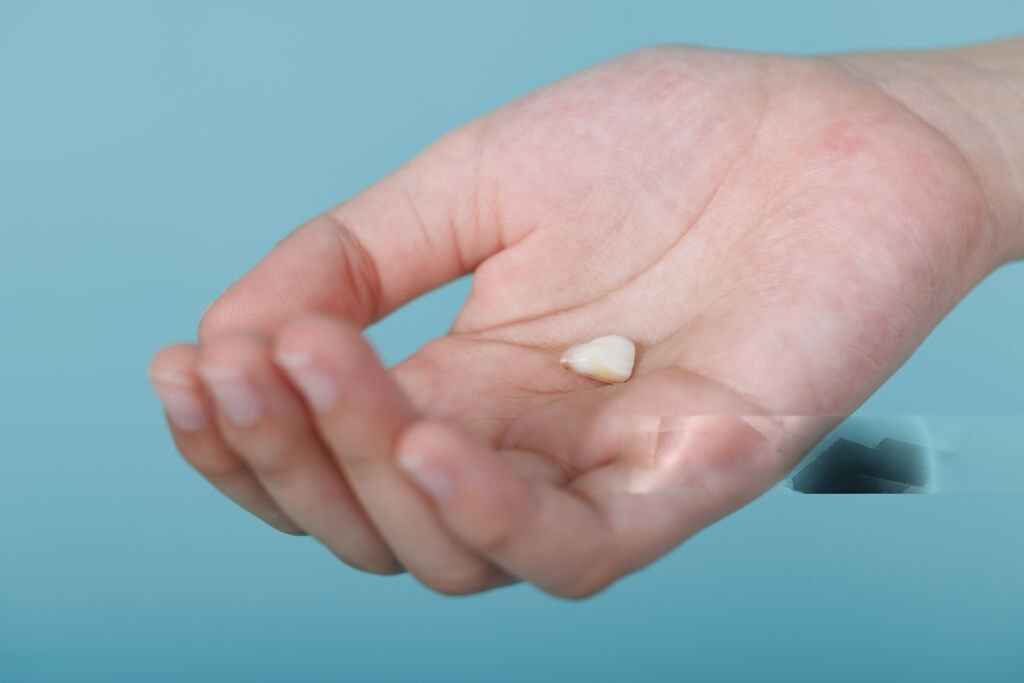 A knocked-out tooth, also known as an avulsed tooth, is one of the most serious dental emergencies you can experience. Whether it’s from a fall, sports injury, or accident, prompt action can mean the difference between keeping your tooth and losing it. Your natural smile can be preserved if you know what to do in those important first few minutes. Here’s a detailed guide on what to do right away after losing a tooth.
- Stay Calm and Act Quickly
When a tooth gets knocked out, it’s natural to panic—but time is critical. Keep your cool and concentrate on getting help right away. If you visit the dentist within 30 minutes of the injury, your chances of saving the tooth are at their highest. Don’t wait; every minute matters.
- Find and Handle the Tooth Carefully
Find the tooth immediately if it has fallen to the ground. Pick it up by the tooth’s white chewing surface, or crown, rather than the root. Delicate tissues required for reattachment may be harmed by touching the root. If the tooth is unclean, rinse it gently with milk or saline, but avoid scrubbing, using soap, or wiping it with a cloth.
- Try to Reinsert the Tooth (If Possible)
If you feel comfortable doing so, you can try to place the tooth back into its socket immediately. Make sure it’s facing the correct direction, then use light pressure to gently push it into position. Using a clean cloth or a piece of gauze, gently bite down to hold it in place. Until you get to your dentist, this is the best way to keep the tooth viable.
- Keep the Tooth Moist at All Times
If reinserting the tooth isn’t possible, it’s vital to keep it moist. The root cells required for reattachment may be destroyed if the tooth dries out. Put the tooth in one of the following locations:
- A small container of milk
- The majority of pharmacies carry a tooth preservation solution.
- Between your cheek and gums, inside your mouth (if you can do so safely)
Avoid storing the tooth in plain water, as it can damage the root surface.
- Manage Bleeding and Pain
While handling the tooth, address any bleeding from the socket. To stop the bleeding, gently bite down on a soft cloth or a clean gauze pad. To lessen pain and swelling, apply a cold compress to your cheek.
- See a Dentist or Endodontist Immediately
As soon as you’ve calmed the situation, go see your dentist or emergency dental clinic as soon as you can. Take the tooth with you, handling it in the way described above. If you move fast, your chances are good that your dentist can successfully reimplant the tooth. Sometimes a splint will be placed to stabilize the tooth while it heals.
- Follow Post-Treatment Care
After reimplantation, your dentist will provide instructions for care and recovery. Follow these directions carefully. Later on, you might require a root canal or antibiotics to keep the tooth healthy and free of infections. To track healing, follow-up appointments must be scheduled on a regular basis.
Expert Guidance from D. Dental
At D. Dental, we have a trained staff of skilled professionals who are equipped to deal with dental emergencies such as avulsed teeth with utmost care and precision. We understand that accidents can happen at any time, and immediate treatment is crucial for saving your tooth. Our state-of-the-art dental technology and empathetic attitude guarantee the best possible result. Should you or someone you know face a dental emergency in The Colony, Lewisville, or the surrounding communities, contact D. Dental immediately for professional attention and reassurance.
Conclusion
A knocked-out tooth doesn’t always mean permanent tooth loss—quick and proper action can save your smile. Remember: be gentle with the tooth, keep it moist, and visit your dentist as quickly as possible. Preparation and familiarity with these steps might just mean all the difference in maintaining your natural teeth following an emergency.


 |
|