The Risks of Ignoring a Cracked Tooth
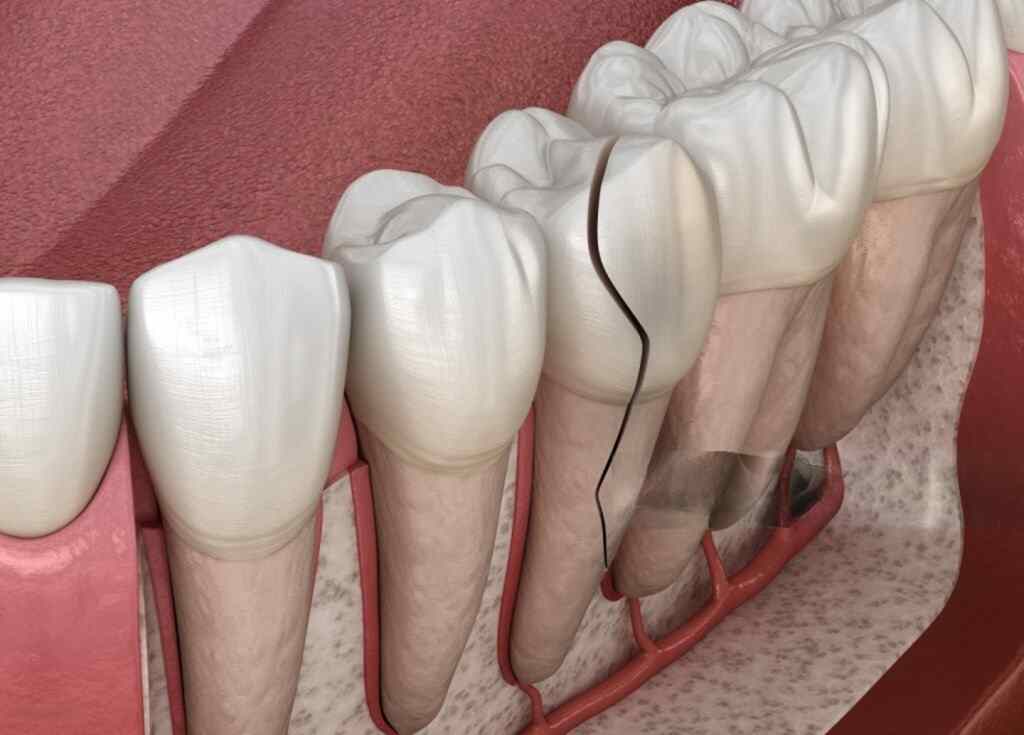 A cracked tooth can look like a minor thing on the surface. You might have seen a rough edge when you ran your tongue over your teeth, or perhaps you got a sudden jolt when drinking something hot or cold. It can be easy to just dismiss it as nothing out of the ordinary, but neglecting a cracked tooth can lead to a wide range of dental and health problems. Knowing the risks allows you to take the appropriate action in preserving your smile and overall health.
Pain and Discomfort Worsen Over Time
A small crack may only cause occasional sensitivity initially, but it rarely stays that way. As the crack gets deeper, the inner layers of the tooth become exposed and cause sharp pains when chewing or biting down. Hot or cold foods can trigger aching discomfort that persists. If left untreated, what begins as an endurable bother soon becomes constant, throbbing pain.
Higher Risk of Infection
One of the most severe risks of not having a cracked tooth treated is the risk of infection. A crack allows for bacteria to travel along the fissure and reach the delicate pulp inside. Once bacteria get into this area, they can form swelling, abscesses, and sharp toothaches. In severe cases, the infection becomes systemic and can spread to adjacent tissues, the jaw, and even other parts of the body, taking a small crack and making it a severe health concern.
Tooth Decay Progresses Faster
Although the crack may not cause immediate discomfort, it also sensitizes the tooth to decay. Food particles and plaque will readily accumulate within the damaged tooth structure, rendering the area as a result difficult to clean with brushing and flossing. Decay can work its way deeper into the tooth over time, resulting in cavities and structural weakening that weaken the tooth’s longevity.
Potential Tooth Loss
Leaving a cracked tooth untreated may cause you to lose the tooth in the long term. Severe fractures may even split the tooth into pieces, rendering restoration impossible. For such teeth, extraction is the only option. The impacts of tooth loss go beyond the aesthetics. It can affect how you chew, make the adjacent teeth drift, and cause bone loss in the jaw.
Jaw and Bite Problems
When a cracked tooth causes discomfort, many people subconsciously change the way they chew to avoid the pain. This asymmetrical pressure can put strain on the jaw and stress on neighboring teeth, causing pain in the jaw, headaches, or temporomandibular joint (TMJ) problems. A minor problem at the dental level may escalate to your overall bite and jaw health.
Increased Treatment Costs
Another risk of delaying treatment is financial. Repairing a minor crack with a filling or bonding is quite easy and inexpensive. However, if the damage travels through the pulp or root, treatments such as root canal therapy, crowns, or even implants can become the order of the day. Tackling the problem early not only saves your tooth but also spares you the expense of intricate and expensive dental treatments in the future.
Take Action Before It’s Too Late
A cracked tooth cannot heal by itself. Although the extent of cracks may be different, all must be considered seriously and checked by a dentist. Early treatment can be the difference between an easy fix and extensive therapy—or even worse, tooth loss.
Your smile is worth protecting, and that starts with addressing even the smallest dental issues promptly. If you notice a crack in your tooth, don’t ignore it—take action today with trusted dental professionals like D. Dental, and save yourself from pain, infection, and long-term complications tomorrow.


 |
|