The Importance of Regular Dental Checkups for Cavity Prevention
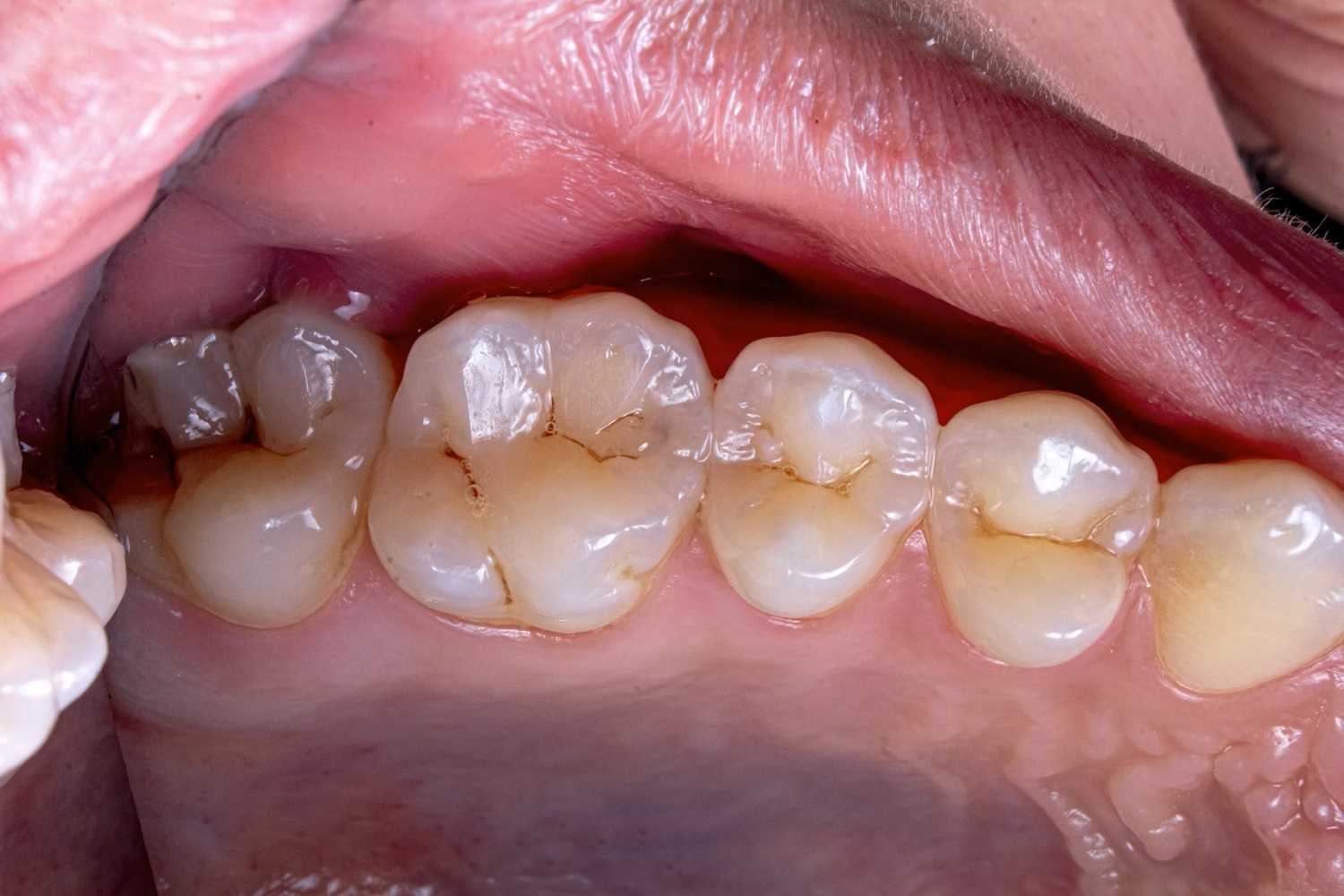 Taking care of a healthy smile involves more than just brushing and flossing on a daily basis. Although this is important for your oral health, regular dental checkups are also a vital part of keeping your teeth healthy and free from cavities. Cavities can develop without your even knowing it, and if you are not keeping track of them, they can quickly become a painful and expensive experience.
What Causes Cavities?
Cavities develop when plaque, a bacterial film, builds up on teeth and causes acids to break down the enamel. Contributing factors include snacking frequently on sugary foods, inadequate oral hygiene practices, a condition known as dry mouth, and even genetics. Children and adults can develop cavities, particularly in areas that are difficult to reach with a toothbrush, such as molars and between teeth.
The fact that cavities develop with little to no pain often means that people are unaware of the problem until the decay is advanced. This is where dental checkups are essential.
Early Detection Saves Your Smile
One of the most important advantages of regular dental visits is the ability to detect problems early on. During a dental checkup, your dentist will examine your teeth, gums, and current dental work to look for the first signs of decay.
There are many advantages of detecting cavities early:
- Smaller and easier fillings
- Less pain during treatment
- Lower dental bills
- Saving more of your natural teeth
Professional Cleanings Remove Hidden Plaque
One of the most important advantages of regular dental visits is the ability to detect problems early on. During a dental checkup, your dentist will examine your teeth, gums, and current dental work to look for the first signs of decay.
There are many advantages of detecting cavities early:
Smaller and easier fillings
- Less pain during treatment
- Lower dental bills
- Saving more of your natural teeth
A small cavity, if not treated, can lead to an advanced infection that may necessitate a root canal or even extraction. Regular dental visits can prevent the decay from reaching this point.
Preventive Treatments That Strengthen Teeth
Preventive procedures intended to preserve enamel and reduce the risk of cavities are frequently included in routine dental checkups.
Sealants for teeth
The chewing surfaces of molars are covered with thin protective coatings called sealants. They significantly lower the risk of cavities in kids and teenagers by acting as a barrier against food particles and bacteria.
Coaching in Oral Hygiene
Personalized oral hygiene coaching is another beneficial preventive service provided during examinations. Based on your individual needs, dentists and hygienists assess your brushing and flossing habits and suggest changes.
Patients can get advice on:
Appropriate timing and brushing angles
- Techniques for flossing that work
- Selecting the appropriate interdental cleaners or toothbrush
- Dietary changes to lower the risk of cavities
Patients and parents are empowered by this individualized education to make better daily choices that have a direct impact on cavity prevention.
Monitoring Habits and Risk Factors
Your dentist does more than just check for cavities. Your dental team can assess conditions and behaviors that could raise your risk during routine visits, including:
- Grinding of the teeth
- Ineffective brushing method
- Regular snacking
- Mouth dryness
- Orthodontic equipment
Your dentist can suggest focused methods to maintain the health of your teeth by recognizing these variables early.
How Often Should You Schedule Checkups?
For most patients, visiting the dentist every six months is ideal for cavity prevention. More frequent visits, however, might be advantageous for some people, such as kids, patients with a history of frequent decay, or those suffering from gum disease.
Depending on your risk level and oral health requirements, your dentist will suggest a customized schedule.
Protect Your Smile for the Future
One of the easiest and most effective ways to avoid cavities is to visit your dentist on a regular basis. Regular visits will help you detect any problems early on, keep your teeth clean, and make your enamel stronger.
If it has been more than six months since your last visit to the dentist, then the time is now to schedule an appointment. A small investment of preventive care today will save you from larger problems in the future.


 |
|