Should Cavities Be Treated Before Cosmetic Dental Procedures?
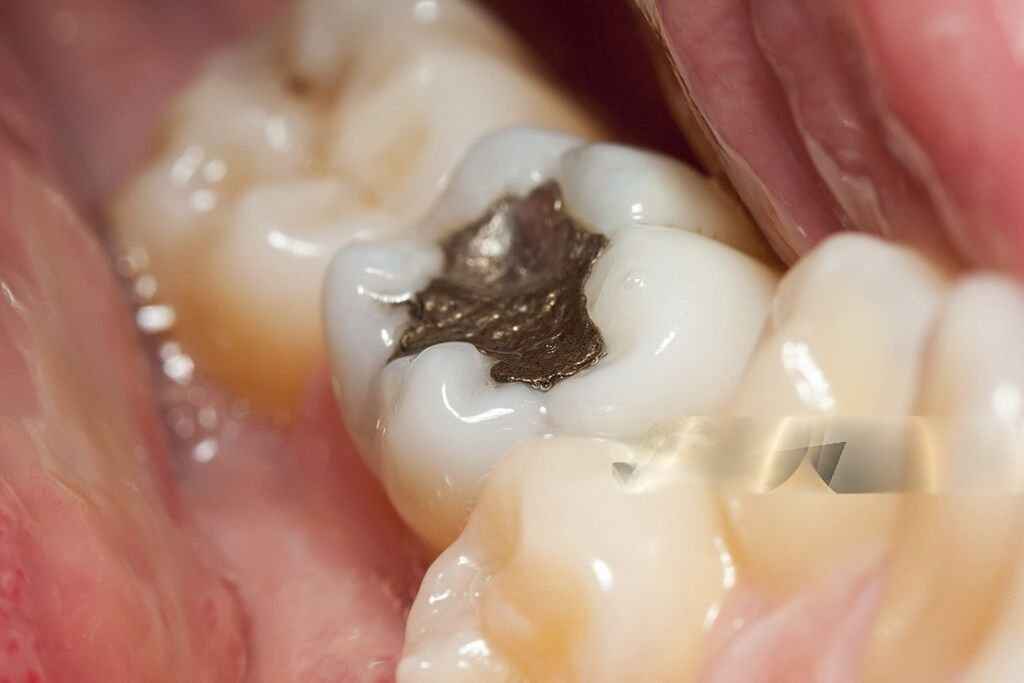 When you’re excited about improving your smile through cosmetic dentistry, it’s natural to want to jump straight into treatments like whitening, veneers, or bonding. However, if you have cavities, your dentist will almost always recommend treating them first. Addressing cavities isn’t just a formality—it’s an essential step for ensuring long-lasting cosmetic results and protecting your oral health.
Why Cavities Need Immediate Attention
Cavities may start small, but they are active infections that progressively damage the tooth. Ignoring them allows bacteria to spread deeper, eventually reaching the inner layers and causing pain, sensitivity, or even abscesses. Cosmetic treatments are designed to enhance appearance—not stop decay—so placing them over a compromised tooth is risky. If the underlying cavity continues to grow, it can weaken the tooth and shorten the lifespan of any cosmetic work done on top of it. Treating cavities first ensures your teeth are healthy, stable, and capable of supporting long-lasting aesthetic results.
How Untreated Cavities Affect Cosmetic Results
A strong foundation is necessary for cosmetic dentistry procedures. The effectiveness of your treatment can be compromised by even a tiny cavity.
For instance, decayed tooth structure cannot be brightened by teeth whitening. When decay is present, it weakens the tooth and prevents cosmetic materials from bonding effectively.
Similarly, if you’re planning veneers or bonding, untreated cavities can prevent materials from bonding properly to the tooth. Because decay weakens the tooth’s structure, the restoration may become loose, break, or fail too soon. Sometimes the decay develops beneath the cosmetic procedure without any obvious symptoms, making it much more difficult to save the tooth in the future.
Cosmetic Procedures That Require Healthy Teeth
Most cosmetic treatments depend on the strength and stability of your teeth. Teeth free of active decay are necessary for procedures like veneers, crowns, composite bonding, and even Invisalign.
Dentists prepare and shape the enamel for veneers or cosmetic bonding. The tooth cannot be safely prepared if it has a cavity until the decay has been eliminated and replaced. Even if a crown completely covers the tooth, decay beneath it will eventually spread and result in a failed crown if treatment is not received.
Even clear aligners like Invisalign require cavity-free teeth because shifting teeth with decay can worsen damage, cause increased sensitivity, and complicate treatment.
What Happens When Cavities Are Treated First?
Fixing cavities before cosmetic procedures is a straightforward and beneficial process. Your dentist will remove the damaged tooth after diagnosing decay and replace it with a filling, which is typically tooth-colored composite material that complements your smile. If the decay is severe, you might require root canal therapy or a crown.
Your dentist can safely proceed with cosmetic improvements once your teeth are stable and healthy. This guarantees that the results feel comfortable, look natural, and last longer.
Your dentist can thoroughly assess your bite, enamel strength, and gum health by treating cavities first. The effectiveness and durability of cosmetic procedures are influenced by all of these factors.
Conclusion
Your smile can be transformed by cosmetic dentistry, but only if it is based on a solid foundation. For long-term success, comfort, and safety, cavities must be treated prior to any aesthetic procedure. Cosmetic enhancements not only look better but also last much longer when your teeth are healthy.
If you’re considering cosmetic dental work, schedule a check-up first. Your dentist will identify any cavities or oral health issues and create a plan that ensures your smile makeover is both beautiful and healthy from the inside out.


 |
|