Is Dental Implant Treatment Right for You? Key Signs to Look For
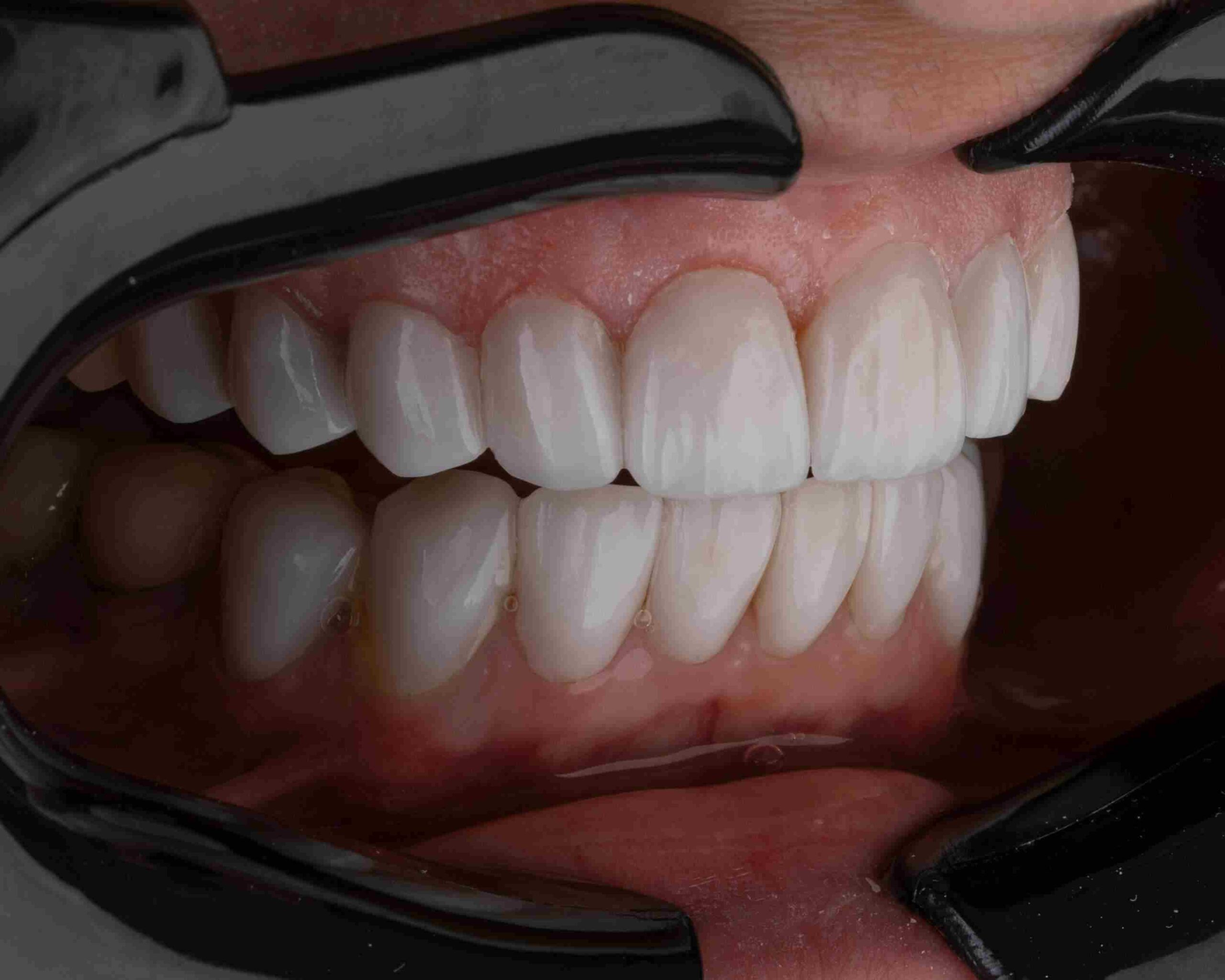 A lost tooth can be a difficult experience, impacting not just your smile, but also your confidence and dental well-being. Fortunately, dental implant therapy has now become one of the most widely used and successful options for tooth replacement. But are dental implants the best option for you? Here are some of the key indications and points to note when considering whether this treatment is suitable.
- You Have One or More Missing Teeth
Missing one or more teeth is the clearest indication that dental implants might be the best option for you. Missing teeth can affect speaking, chewing, and general oral function, regardless of the cause—damage, decay, or other dental issues. Dental implants provide a long-term solution that replicates the appearance and feel of natural teeth, in contrast to conventional dentures or bridges.
- You’re Looking for a Long-Term Solution
Dental implants are often the ideal choice if you’re looking for a strong, durable, and long-lasting solution. With the right maintenance, implants can create a stable foundation that lasts for many years, if not a lifetime. They are made to blend in with your jawbone. They are therefore a better choice than dentures or bridges, which may require regular replacement or adjusting.
- Your Jawbone is Healthy Enough to Support Implants
For dental implants to firmly anchor the implant posts, a specific quantity of healthy jawbone is needed. Before placing implants, your dentist might need to do bone grafting if your jawbone has deteriorated because of gum disease or bone loss. Your bone structure’s suitability for this treatment will be assessed through a consultation and imaging test.
- You Have Good Overall Oral Health
In order for the implants to be successful, there needs to be a healthy mouth. That means gums free of infection or active periodontal disease. Untreated cases of periodontal disease or dental caries must be cured (if any) before any implant procedure is begun. Good oral hygiene and dental appointments are a must before and after the surgical procedure.
- You’re Committed to Oral Care and Follow-Up Visits
Dental implants require long-term care like natural teeth. It consists of the usual brushing and flossing for gums and implants followed by periodic dental check-ups. Should you really be interested in pursuing these habits, implants have the potential to return you a beautiful and functioning smile for years.
- You Want to Improve Your Confidence and Quality of Life
Your social and professional interactions as well as your sense of self-worth can be impacted by missing teeth. Dental implants enhance the look of your smile in addition to restoring your ability to speak and chew normally. Many patients discover that their newfound confidence from implants improves their day-to-day lives.
- You Are in Good General Health
Although many people can benefit from dental implants, your candidacy may be impacted by specific medical conditions and lifestyle choices. Healing and implant success may be hampered by diseases like uncontrolled diabetes or bad habits like heavy smoking. To make sure implants are a safe and practical choice for you, your dentist will assess your general health.
- You’re Looking for a Natural Feel and Appearance
The fact that dental implants closely mimic natural teeth is one of their main benefits. Implants offer a stable and natural biting force because they fuse with your jawbone, and the prosthetic tooth is made to precisely match the size, shape, and color of your natural teeth. Implants are a great option if you want a restoration that feels and looks like your natural teeth.
Conclusion
A big step toward repairing your smile and enhancing your oral health is choosing to get dental implants. Dental implant therapy might be the best option for you if you see any of the aforementioned symptoms. Making an appointment for a consultation with a licensed dentist who can assess your unique needs and walk you through the procedure is the best way to find out. Dental implants can improve your smile and confidence for years to come with contemporary methods and individualized treatment.


 |
|