Ignoring Root Canal Treatment: Risks, Pain, and Tooth Loss
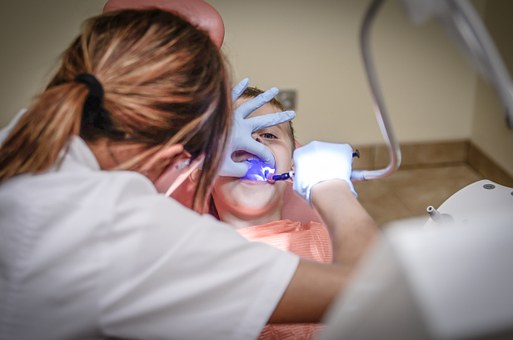 Many people delay or avoid root canal treatment due to fear, misinformation, or the hope that the pain will go away on its own. What seems innocent enough could potentially lead to serious dental and overall health consequences. Understanding some risks, sequences of pain, and potential tooth loss can help you make an informed decision about timely treatment.
What Is Root Canal Treatment?
Root canal treatment refers to a dental process aimed at extracting any infected or damaged pulp from a tooth. The pulp includes nerve and blood vessels. If the pulp gets infected because of deep cavities, cracks, or injuries to the tooth, it may lead to intense pain or swelling. This procedure aims to seal the tooth to stop any infection but save your tooth.
Why People Avoid Root Canals
Fear of pain is also one of the most common reasons why people do not undertake a root canal. This is because modern endodontic therapy is done using advanced pain control methods that make it no more painful than having a routine filling. Additionally, some people do not undertake the procedures due to financial constraints or the belief that antibiotics can solve the problem.
Increasing Pain and Discomfort
When a tooth infection is left untreated, the pain rarely disappears. Rather, it typically gets worse by the day. What began as a slight sensation of tooth sensitivity could escalate to constant throbbing pain in the tooth, as well as pain in the area when chewing food, as well as when exposing it to hot and cold stimuli.
Risk of Infection and Abscess Formation
When root canal treatment is avoided, bacteria can spread beyond the tooth root into the surrounding bone and gum tissue. This can result in a dental abscess, a pocket of pus that causes swelling, fever, and severe pain. Left untreated, the infection can enter the bloodstream and lead to serious health complications that require urgent medical attention.
Tooth Loss and Structural Damage
One of the most serious effects of not undergoing root canal treatment is the potential loss of the tooth. As the infection develops, it will lead to the weakening of the tooth structure. This means that it will easily break. The final stage will involve losing the tooth. This will lead to a range of effects such as affecting the bite. This could also lead to other forms of treatment such as having dental implants.
Impact on Oral Health and Adjacent Teeth
The infected tooth can affect your entire mouth if it is not treated. The infection from the tooth can spread to other teeth. The spread of infection from an infected tooth to other teeth can lead to further complications of dental disorders if root canal treatment is not done on time.
Long-Term Cost and Treatment Complexity
Delaying a root canal often increases the cost as time progresses. What could have been a simple procedure may turn into a complex extraction, bone grafting, and tooth replacement. Early intervention is usually less expensive and preserves your own tooth, which is always the better option when it comes to long-term oral health.
Trusted Care Makes a Difference
Experienced dentists at D. Dental place a strong emphasis on early diagnosis and mild root canal therapy to help patients prevent needless suffering and tooth loss. D. Dental guarantees that root canal treatments are efficient, comfortable, and intended to preserve natural teeth whenever feasible through the use of cutting-edge technology and patient-centered care. Long-term oral health can be restored and complications can be avoided with prompt treatment at a reputable dental office.
Why Timely Root Canal Treatment Is Essential
Root canal treatment is a proven, safe solution for the elimination of infection and the preservation of your natural smile. Further, delaying treatment will only increase pain, health risks, and financial burden over time. On the other hand, prompt care can take away your discomfort and protect your long-term oral and general health.
If you have chronic pain, sensitivity, or swelling of the teeth, early visits to a dental professional can avoid serious complications and maintain your healthy smile.


 |
|