How to Clean and Care for Your Invisalign Aligners
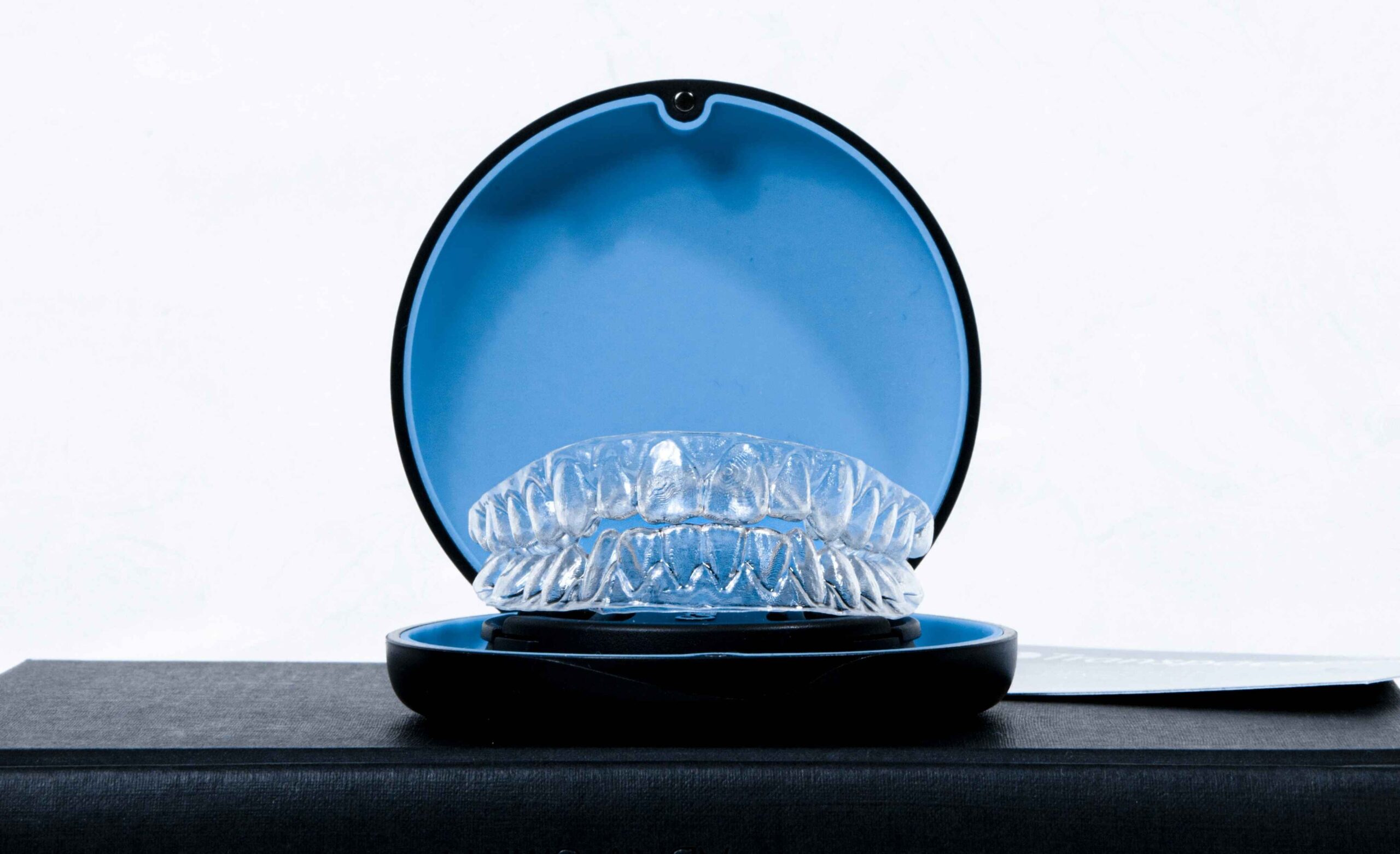 Invisalign aligners are a modern and convenient solution to straighten teeth without the inconvenience of metal braces. Nevertheless, in order to maximize your treatment and achieve proper oral hygiene, it’s critical to maintain your aligners in a clean and well-maintained condition.
If Invisalign trays are not cleaned regularly, they can accumulate bacteria, become discolored, and even start to smell. Poor hygiene not only affects the appearance of your aligners but can also impact your oral health. The good news is that keeping your aligners in top shape is easy when you incorporate a few simple habits into your daily routine.
1. Rinse Your Aligners Every Time You Remove Them:
The simplest and first habit to develop is rinsing the aligners under lukewarm water every time you remove them. This prevents saliva, plaque, and bacteria from drying onto the surface. Avoid using hot water, as it can warp the plastic and alter the shape of your aligners, making them less effective. Even cold water isn’t ideal for a deep clean, but rinsing is a basic first step to maintain cleanliness throughout the day.
2. Brush Them Gently – But Not with Toothpaste:
It’s essential to clean your aligners a minimum of two times each day, preferably during tooth brushing. Use clear, mild soap and a soft-bristled toothbrush to gently brush both the inside and outside of your aligners. Many people assume toothpaste is the best option, but it’s actually too abrasive for Invisalign trays. Toothpaste, especially whitening or tartar-control varieties, can scratch the aligners and make them appear cloudy over time. A gentle brushing with soap and lukewarm water is all you need to keep them clear and fresh.
3. Daily Soaking of Aligners:
To keep your aligners fresh and remove deeper buildup, it’s helpful to soak them once a day in addition to brushing them every day. Invisalign produces unique cleaning crystals that deodorize and disinfect the trays by dissolving in water. As long as the cleaner is mild and safe for clear plastic, you can also use a retainer or denture cleaner.
Use the cleaning solution and lukewarm water to soak your aligners for 15 to 20 minutes. Rinse and gently brush them after soaking, then put them back in your mouth.
4. Brush Teeth Before Reinserting Aligners:
Cleaning your teeth thoroughly before reinstalling your aligners is one of the most crucial habits to form. Food particles and bacteria are trapped between your teeth and the aligners if you replace trays without brushing or flossing. Gum inflammation, tooth decay, plaque accumulation, and foul breath can result from this.
The secret to getting the most out of your Invisalign treatment is to keep your teeth and aligners clean.
5. Avoid Eating or Drinking with Aligners On:
Invisalign aligners cannot stand pressing and staining effects of foods and beverages. Chewing may harm the aligners or stain them. Likewise, consumables such as coffee, tea, juice, or soda may stain the trays and turn them less transparent.
Aligners should always be removed before eating or drinking anything other than plain water. After eating, brush your teeth and then put your aligners back in to keep your mouth clean and your aligners clear.
6. Store Your Aligners Safely:
When your aligners are not in your mouth, they should always be placed in the Invisalign case that was given to you. A lot of patients have the wrong habit of wrapping their trays in napkins or putting them on a table, which raises chances of having them lost, discarded, or contaminated with bacteria.
Having a special, safe location for your aligners keeps your investment safe and your treatment on the right track.
7. Steer Clear of Harsh Cleaning Solutions:
Although it may be tempting to disinfect your aligners with household cleaners like bleach or alcohol-based solutions, these are excessively harsh and can harm the plastic. Additionally, they may leave behind dangerous residues that you shouldn’t put in your mouth.
Use only mild soaps, Invisalign cleaning solutions, or denture cleaners that are safe for clear plastic. Anything that feels harsh or has a strong scent should be avoided; if in doubt, go for something mild and fragrance-free.
Conclusion
Cleaning of the Invisalign aligners is easy and should be done regularly. Clean them right, and watch your aligners stay crystal clear, without odor, and working as intended all the way through treatment. A clean aligner is more aesthetically appealing, promoting better oral health, and bringing you farther away from that gigantic step into a perfect smile.


 |
|