How to Care for Your Veneers to Make Them Last
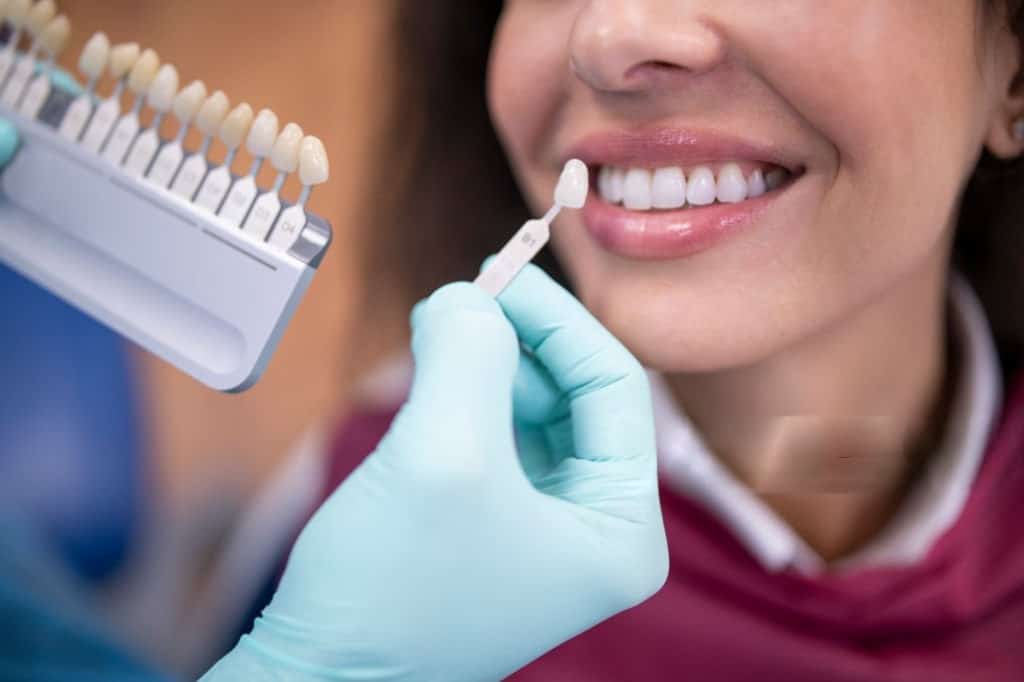 Dental veneers are a very popular cosmetic dental procedure for people who want a bright and beautiful smile. Although veneers are very durable and resistant to stains, they are not unbreakable. If you want your veneers to last you 10-15 years or more, you have to take good care of them.
Maintain Excellent Oral Hygiene
Good oral hygiene is the foundation of veneer care. Even though veneers themselves cannot decay, the natural teeth underneath and surrounding gums still can.
Brush your teeth at least twice a day with a soft-bristled toothbrush and non-abrasive fluoride toothpaste. A hard-bristled toothbrush or abrasive toothpaste can damage the veneer surface. Floss your teeth daily to remove plaque and food particles from between your teeth and along your gum line. Maintaining good oral hygiene will help prevent gum disease, which can affect the appearance of your veneers.
Avoid Hard and Sticky Foods
Veneers are durable, but biting down on hard foods can chip or crack them. It is best to avoid biting down on ice, hard candy, pens, or fingernails. Even popcorn kernels and hard nuts should be eaten with care.
Caramel candies or hard candies that are very chewy can be stressful on veneers and may cause them to come loose. You do not have to give up your favorite foods entirely. Just be sure to eat them in moderation.
Protect Against Teeth Grinding
One of the most common threats to veneers is grinding of the teeth, also known as bruxism. Grinding or clenching your teeth can wear away or even break the porcelain.
If you grind your teeth at night, you can talk to your dentist about making a night guard for you. This is a simple device that will protect your teeth from grinding against each other. Reducing stress and paying attention to clenching during the day can also help protect your veneers.
Limit Staining Habits
Porcelain veneers are very resistant to stains, but the natural teeth surrounding the veneers and the adhesive used in the bonding process can still stain. To maintain a uniform smile, avoid the staining agents like coffee, tea, red wine, and tobacco.
If you cannot avoid these products, rinse your mouth with water after consuming them. Drinking dark liquids through a straw will also help reduce contact with your veneers and teeth.
Visit Your Dentist Regularly
Veneers must be maintained with regular dental examinations and expert cleanings. Your dentist will safely polish the restorations, examine your gums, and keep an eye on the state of the veneers.
Most patients should schedule visits every six months, though your dentist may recommend a different timeline based on your needs. Professional care helps catch small issues before they become costly problems.
Address Problems Early
If you experience any sensitivity, rough spots, looseness, or any change in the sensation of your veneers, be sure to contact your dentist right away. This can often prevent more serious damage from occurring.
Never attempt to repair or adjust a veneer on your own. This will ensure that your veneer and tooth are still protected.
Expert Care Reference
According to experts at D. Dental, patients who maintain regular oral hygiene practices and use night guards as directed tend to have veneers that last longer. Their dental team states that the most important factors that keep veneers looking natural and whole for many years are preventive care and regular dental check-ups.
Be Mindful of Daily Habits
Beyond brushing and dental visits, your everyday habits play a major role in veneer longevity. Try not to bite into very hard foods like whole apples; instead, cut them into smaller pieces. You should also refrain from using your teeth to open bottles or packages. Healthy gums and underlying teeth are also supported by drinking plenty of water and eating a balanced diet. These minor lifestyle changes can help maintain your confident smile and drastically lower the risk of veneer damage.
Conclusion
Veneers are a durable way to improve your smile, but how well you take care of them will determine how long they last. You can have a gorgeous, self-assured smile for many years to come by maintaining good oral hygiene, abstaining from bad habits, guarding against grinding, and scheduling routine dental checkups.


 |
|