How Dental Implants Help Preserve Jawbone Health
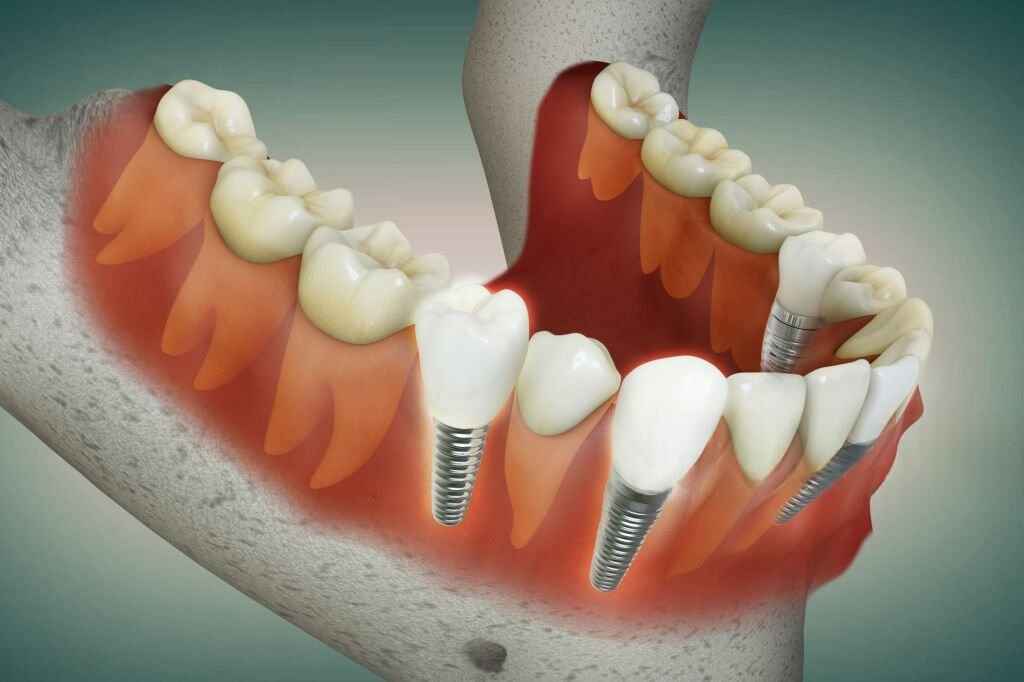 A missing tooth impacts more than just the appearance of your smile. When you lose a tooth, the jawbone supporting it can weaken over the years. Because of missing teeth, it can alter the facial structure and also increase the risk of dental problems. Dental implants have been established as the best way to tackle missing teeth and maintain jawbone health.
Understanding Jawbone Loss After Tooth Loss
The jawbone also has to be stimulated regularly to stay strong. This stimulation occurs through chewing. The chewing forces are transmitted to the bone through normal tooth roots. However, when an individual loses a tooth, they will no longer be able to stimulate this part of the jaw. This causes resorption of the bone. The bone will shrink in that region.
Eventually, bone loss can cause the jawbone to weaken and become thinner. It can cause sagging, a sunken area around the mouth, and shifting teeth. The bone loss can make it more difficult for a tooth to be replaced in the future.
What Are Dental Implants?
Dental implants are a type of teeth replacement procedure. Artificial teeth (crowns) are surgically implanted in the jawbone and topped with a crown that resembles a natural tooth. Implants are different from bridges or dentures since they are implanted in the jawbone. This makes them a more stable tooth replacement solution.
Because of their similarity in structure to natural teeth, implants are both functional and structural.
How Dental Implants Stimulate the Jawbone
One of the main positive points of dental implants is the stimulation of the jawbone. When chewing or biting, the implant transmits the tension around the bone, much like the root of a natural tooth would. This mechanical stimulus triggers a signal to the body to preserve bone density in that area.
Because implants keep the bone active, they help prevent the bone resorption that usually follows the loss of one or more teeth. This is what sets them apart from all the other alternatives to tooth replacement.
Preventing Bone Shrinkage and Facial Changes
Bone loss in the jaw area is not just important to the health of one’s teeth, but also to one’s facial structure, “When the bone mass shrinks, the skin which is no longer supported by the bone will sag and create folds that are considered wrinkles.”
Dental implants also function in preserving the natural shape of the jaw and facial structure. This occurs because implants inhibit bone shrinkage, thus allowing facial muscles to remain firm for a younger appearance.
Long-Term Stability Compared to Other Options
Conventional dentures and bridges can be supported by the gums or the surrounding teeth. Though they improve the aesthetic and functional aspect for the patient, they fail to stimulate the jawbone. Consequently, the result would be the continuous loss of support for the dentures and the bridges as they become ineffective.
Dentures, on the other hand, are inserted on top of the jawbone by a process called osseointegration. However, they are prone to damage or loss over time, which leads to the replacement of implants as the ultimate long-term solution.
Supporting Overall Oral Health
Taking care of the bone in the jaw will help create a chain reaction in maintaining proper oral health. When the bone in the jaw is healthy, it protects the other teeth by providing support against shifting.
Through filling gaps within the smile and helping to maintain bone density, dental implants offer several benefits to overall dental stability.
A Proactive Approach to Tooth Replacement
Dental implants can greatly decrease the chances of bone loss if implemented shortly after the loss of the tooth. This greatly helps in conserving the bone and even prevents the need for future bone grafting surgery or other related sessions.
For those looking for a lasting solution that preserves functionality and looks, dental implants provide a positive and effective means of ensuring that the jawbone remains healthy.
Expert Insight: D. Dental on Jawbone Preservation
According to D. Dental, dental implants not only restore missing teeth but also help preserve the jawbone by replicating the function of natural tooth roots, effectively stimulating the underlying bone and reducing the risk of resorption compared to traditional dentures or bridges. This preservation of bone contributes to maintaining facial structure and long-term oral health.
Conclusion
Tooth implants offer a much more important service beyond just replacing a missing tooth. Through this process, tooth implants act exactly like normal tooth roots, promoting and sustaining tooth and jawbone development, all because they prevent the loss of jawbone structure that results from tooth decay and loss. For anyone concerned about the implications of a lost tooth on their jawbone, dental implants present one of the most permanent solutions.


 |
|