How Bite Problems and Crooked Teeth Affect Breathing
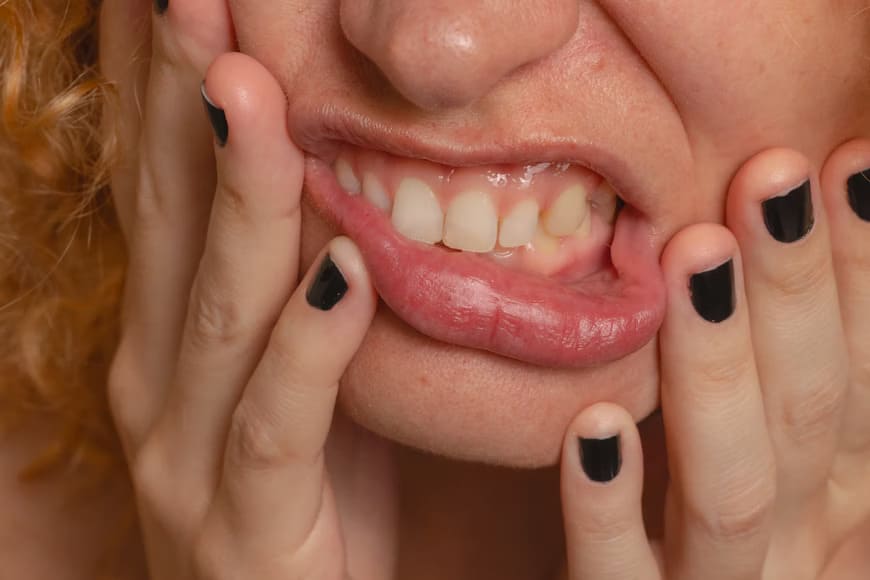 Breathing is something we don’t often think about, but when we have trouble breathing, it becomes a real issue. Though people may associate breathing problems with the lungs or nose, there is another factor that is surprisingly relevant: our oral health. Bite problems or crooked teeth often impact the location of our jaw, tongue, and airway, resulting in difficulties with breathing.
Understanding Bite Problems and Crooked Teeth
Bite problems – also called malocclusions – happen when your upper and lower teeth don’t fit together right. Examples of bite problems include overbites, underbites, crossbites, and open bites. Crooked teeth are teeth that are crowded, overlapped, or crooked, and even twisted. These can indeed be more than cosmetic since they may affect how your jaw works and the way air moves through your mouth and throat.
The Connection Between Jaw Alignment and Airway Space
The position of the jaw has direct implications for the dimensions of the air passages. If the jaw position is not normal, it can end up being too far back or side-ways, which means that the air passages will be reduced. This can result in a situation where one has difficulty breathing effectively, especially when one sleeps since the muscles are relaxed. The body can end up depending on mouth breathing rather than nasal breathing.
How Crooked Teeth Contribute to Mouth Breathing
Misaligned or crooked teeth can cause issues related to the position of the tongue. An ideal position allows the tongue to touch the roof of the palate, which keeps the air passages open. However, with misaligned teeth, the tongue has to be placed lower or further back, reducing the opening of the air passages and causing the person to breathe with his or her mouth constantly, which results in dryness of the mouth, cavities, gingivitis, or even altered facial growth patterns in children.
Bite Problems and Sleep-Related Breathing Disorders
The most serious consequence of occlusal disorders is that they have a close link with sleep-related breathing disorders, mainly snoring and obstructive sleep apnea. While sleeping, a bad position of the occlusion can determine the collapsing backward of the lower jaw, thus narrowing or blocking the airways. This leads to the disruption of breathing, poor quality of sleep, daytime fatigue, headaches, and a risk of heart disease in the long run.
Impact on Children’s Growth and Development
Bite problems and crooked teeth in children can have long-lasting effects on breathing and facial growth. Chronic mouth breathing, caused by dental misalignment, may affect how the jaw and facial bones develop; it often results in a long, narrow face and possibly more airway restriction. Early orthodontic intervention can help guide proper jaw growth, improving breathing patterns and hopefully reducing future health complications.
Orthodontic Treatment and Improved Breathing
Orthodontic work, whether it is through braces or other methods, can correct bite problems and mis-aligned teeth, which is often one of the most significant things that can improve breathing. This is specifically aimed at correctly positioning teeth and jaw structures to improve breathing. The positioning allows the structures to create space, which then allows the passageway to be opened, increasing nasal breathing and reducing symptoms related to sleep apnea and snoring.
Why Addressing Dental Alignment Matters for Overall Health
Respiratory functions impact each system within a human body. Bite problems and crooked teeth that hamper breathing functions could lead to a wide range of issues that go far beyond oral care. A solution for these conditions not only results in an improved facial landscape but is also instrumental in increasing levels of energy, resulting in better overall health.
Expert Care and Guidance at D. Dental
At D. Dental, we realize that a healthy smile is only part of an extraordinary life—it also affects breathing and sleeping as well as overall feelings on a daily basis. Our experienced dental and orthodontics staff analyzes patients in a full-service manner to diagnose bite and crooked teeth problems in relation to airway issues through advanced imaging and customized planning. Using either orthodontic treatments such as Invisalign and braces or early childhood solutions at D. Dental involves optimizing bite positions to favor better respiratory functioning. Through patient care and advanced dental solutions at D. Dental, patients are treated not only for straight teeth but also better health.
Conclusion
Bite problems and crooked teeth can affect more than just the appearance of the teeth. Bite problems can contribute significantly to breathing difficulties. If your child is experiencing symptoms of poor breathing patterns, a consultation with an orthodontist can be the first step toward easy breathing. Bite problems are common in many children. If your child is experiencing some of the symptoms of breathing difficulties, have them checked by an orthodontist.


 |
|