How Bad Oral Hygiene Can Lead to Oral Cancer
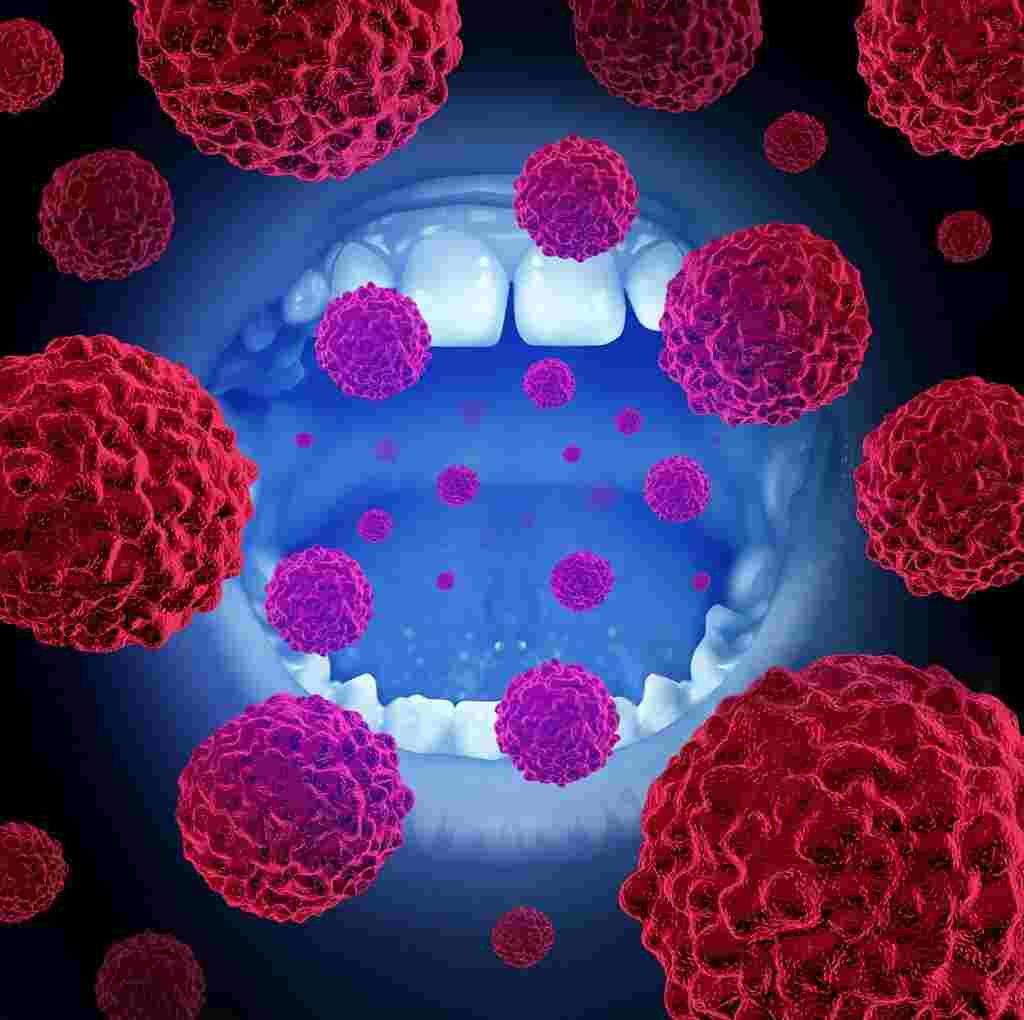 Most people understand that poor oral hygiene can lead to tooth decay, gum disease, and bad breath The significant link between oral hygiene and oral cancer, however, is something that many people ignore. In addition to harming your smile, neglecting your oral health can lead to oral health issues that raise your risk of developing serious illnesses like oral cancer.
-
Understanding Oral Cancer
When abnormal cells in the mouth, tongue, lips, or throat start to grow out of control, oral cancer develops. Poor oral hygiene can be a major contributing factor, even though factors like genetic predisposition, excessive alcohol consumption, and tobacco use play major roles.
-
Bacteria Build-up and Chronic Inflammation
Millions of bacteria live in the mouth, and if it isn’t cleaned frequently, dangerous bacteria can grow there and cause inflammation and chronic infections. This ongoing irritation can harm your mouth’s cells over time and raise the risk of cancerous changes.
-
Gum Disease as a Risk Factor
Gum disease, also known as periodontitis, is one of the main ways that poor oral hygiene leads to oral cancer. Gum inflammation and infection result from allowing plaque and tartar to accumulate. Toxins released by these infections harm the tissues surrounding the teeth and also enter the bloodstream, causing inflammation all over the body. One of the primary causes of cancer development is known to be chronic inflammation. This persistent infection and irritation in the mouth can change healthy cells, fostering the growth and formation of cancerous cells.
-
Unattended Dental Problems
Poorly fitting dental appliances or broken teeth that are neglected and go untreated are two more frequently disregarded factors. Mouth sores and constant friction can result from these problems. Over time, these wounds may develop into precancerous lesions if they are neglected and frequently irritated. Practicing good oral hygiene promotes early detection of these issues and proper healing before they worsen.
-
Connection Between Poor Hygiene and Bad Habits
Furthermore, poor dental hygiene frequently coexists with other unhealthy behaviors that increase the risk of cancer. The risk of oral cancer is increased by all of these behaviors taken together. Alcohol and tobacco, for example, can harm the lining of the mouth, and bad oral hygiene makes it difficult to get rid of dangerous residues, which exacerbates the negative effects.
-
Importance of Regular Dental Checkups
Maintaining good dental hygiene is also essential for early detection. Unusual patches, ulcers, or lesions that may be early indicators of oral cancer are frequently discovered by dentists first. People lose the chance to recognize and treat these symptoms at an earlier, more manageable stage when they skip dental appointments or neglect daily care.
-
D. Dental’s Commitment to Prevention
At D. Dental, we believe prevention is always better than cure. Our team is dedicated to promoting comprehensive oral health through regular cleanings, personalized hygiene plans, and advanced screening for early signs of oral diseases, including oral cancer. By staying proactive with your oral care and scheduling routine dental visits, you can protect not only your smile but also your long-term health.
Conclusion
The risk of oral cancer can be decreased by practicing simple yet effective oral hygiene. Essential practices include brushing at least twice a day, flossing every day, using an antibacterial mouthwash, and scheduling routine dental checkups. Oral health is further supported by abstaining from tobacco, consuming alcohol in moderation, and eating a diet high in fruits and vegetables.


 |
|