Experiencing Pain After a Root Canal? Don’t Panic—Here’s Why
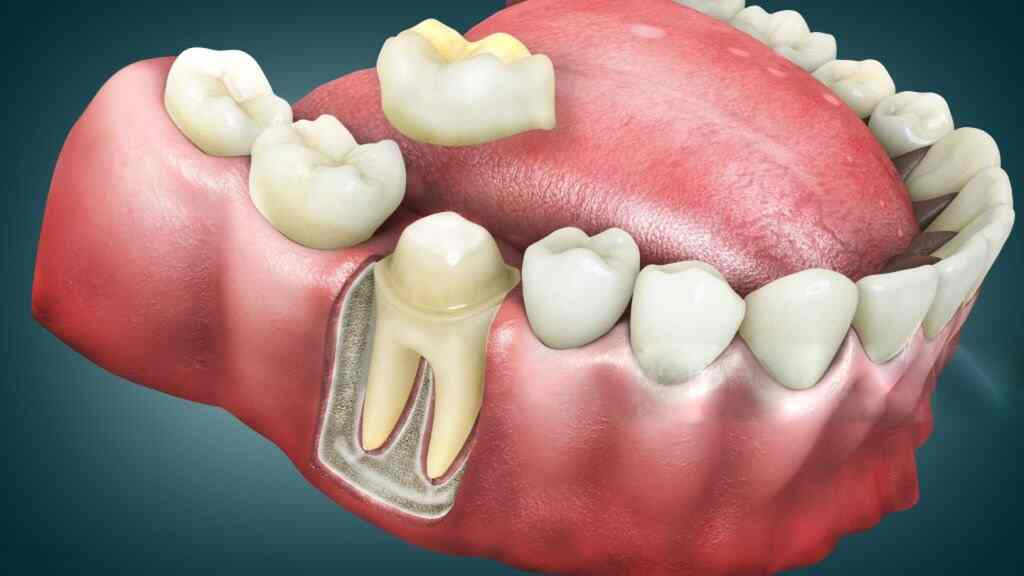 If you’ve just had a root canal and are still feeling some pain, don’t worry—you’re not alone. Many patients are surprised to notice discomfort even after the procedure, especially since the goal was to relieve toothache. The truth is, a little soreness or sensitivity afterward is completely normal and part of the healing process.
Why Pain Happens After a Root Canal
A root canal is cleaning out the infected pulp within your tooth and sealing it to keep it safe from future problems. Although the infection has been removed, surrounding tissues—such as nerves and ligaments—can still be sensitive. This inflammation causes minor to medium pain for a couple of days. It’s just like recovering from a minor surgery: your body must heal.
You may experience:
Tenderness upon chewing: The tooth and area around it have been manipulated and are tender when pressure is put on it.
Mild swelling or sensitivity: Tissue around the tooth may still be irritated.
A dull ache or throbbing: This is your body healing itself naturally.
All of these are normal in the days after treatment and tend to resolve within a week.
Factors That Can Affect Post-Treatment Discomfort
Not all root canal recoveries are alike. Several things can determine how painful it is afterward:
The extent of the initial infection: If the tooth was seriously infected, the tissues in the area might take longer to heal.
Your bite: If the tooth you had treated is a little higher than the other teeth, it could put additional pressure and strain on the area when you’re chewing.
Individual healing response: Some individuals tend to feel more sensitivity as they heal.
Understanding these factors can help you see why your experience might differ from someone else’s.
How to Manage the Pain at Home
Mild pain following a root canal tends to improve with basic care. Try these suggestions:
Use over-the-counter pain medication: These medications can relieve swelling and soreness.
Avoid chewing on the treated side: Provide the tooth time to acclimate by eating only softer foods and chewing on the opposite side.
Apply a cold compress: Holding an ice pack to the outside of your cheek may help decrease swelling and pain.
Practice gentle oral hygiene: Brush and floss carefully around the area to clean it without bothering the tooth.
With care, discomfort should subside gradually as the tooth heals.
When to Contact Your Dentist
Although some pain is expected, you need to check in with your dentist at certain times. Call if you experience:
- Severe pain that doesn’t get better or gets worse over a few days
- Visible swelling that radiates to your jaw or face
- Fever, or infection signs
- Pain when biting that doesn’t resolve after having your bite adjusted
- These symptoms may mean you have a complication that requires treatment, but they are much less frequent.
Why Choose D. Dental for Root Canal Care
At D. Dental, patient comfort is always the priority. From state-of-the-art technology to a caring, individualized touch, the staff makes your root canal therapy and recovery as comfortable as possible. Whether it’s alleviating post-op pain or educating you with home care advice, D. Dental is at your service to help you attain lasting relief and guard your smile for years to come.
Conclusion
Experiencing pain after a root canal doesn’t mean something is wrong—it’s often just part of the healing process. With a little patience, self-care, and awareness of when to call your dentist, you’ll likely be on your way to a healthier, pain-free smile.


 |
|