Causes of Bleeding Gums and How You Can Treat Them
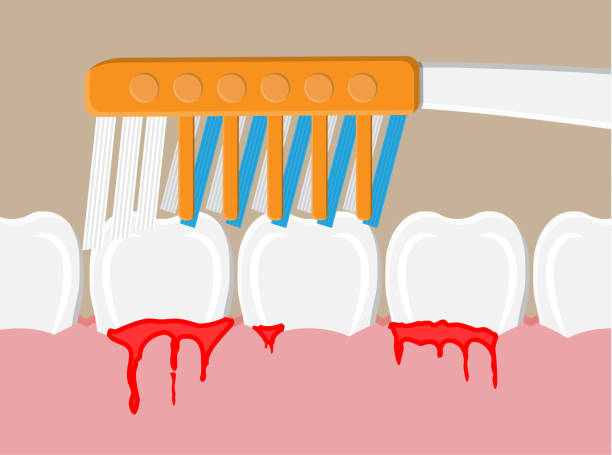
Do you notice a pink discoloration on your toothbrush when you brush your teeth? While an occasional small amount of blood is not necessarily a cause for concern, gums that regularly bleed during brushing can indicate the presence of diseases or changes in hormone levels, medications, dietary habits, or oral hygiene. Read on to know the common reasons for bleeding gums and what can be done about it.
What are the Causes of Bleeding Gums?
- Poor dental hygiene. Poor dental care can cause bacteria buildup, leading to plaque formation on the teeth. Bacteria can cause inflammation and eventually sore and bleeding gums.
- Gingivitis. This is the earliest stage of gum disease. Untreated plaque on the teeth and gums can lead to inflamed gums and gingivitis, which includes swollen, red, tender gums that easily bleed during brushing and flossing.
- Medications. Certain medications can increase your chances of bleeding gums. Some prescription and over-the-counter medicines can thin the blood and cause dry mouth, resulting in gum bleeding. In such cases, talk to your doctor about prescribing a different medication or a change in dosing.
- Flossing. Changing your flossing routine can lead to bleeding gums. For instance, if you just started flossing and have not flossed for a few days, you may experience some temporary bleeding.
- Brushing. For good oral hygiene, it is recommended that you get a new toothbrush every three months. However, switching from a soft-bristled toothbrush to a firmer one can lead to bleeding gums. Brushing too hard or using a hard-bristled toothbrush can also cause bleeding and enamel erosion and irritated gums.
- Pregnancy. The hormonal changes during pregnancy can modify a woman’s body, even their gums. These changes can change a woman’s response to oral bacteria and increase blood flow to the gums, which causes bleeding during brushing and leads to a condition called pregnancy gingivitis.
- Dental appliances. Poor-fitting dental appliances like dentures and braces can irritate gums and lead to bleeding. There are also dental appliances like braces that require extra care with oral hygiene.
How are Bleeding Gums Treated?
Short-Term Solutions
The easiest and most effective method of avoiding any gum or dental problem is regular brushing and flossing. We are recommended to floss once and brush twice a day using a soft-bristled toothbrush and fluoride toothpaste. Brush in a circular motion, holding the brush at a 45-degree angle to the teeth. The sawing, and back and forth movement is a common method among many people, but it can irritate the gum tissues, which further increases the risk of bleeding.
Good oral hygiene practices also include rinsing with a non-alcohol mouthwash every day, particularly following meals. Other helpful habits to practice include eating a balanced, low-sugar diet; drinking lots of water to avoid dry mouth; and regularly going to the dentist for periodical checkups and professional cleanings.
Long-Term Solutions
There are cases where occasional bleeding gums might not be a cause of concern and can be remedied by brushing softly or completely avoiding brushing in some areas. In some cases, though, doing so can worsen the problem. Prolonged gum bleeding might require treatment from a professional. If your gums bleed, see your dentist as soon as you can. They can thoroughly examine your teeth and gums and even refer you to a periodontist for additional treatment, like deep cleaning or surgery.
If you find your gums bleeding the next time you brush, do not panic. Although this is not normal and might require professional treatment, there are cases where minor changes in your diet and oral hygiene routine can successfully get rid of it. Regardless, it is always a good idea to regularly see your dentist.


 |
|