Can Dentures Maintain Jawbone Health?
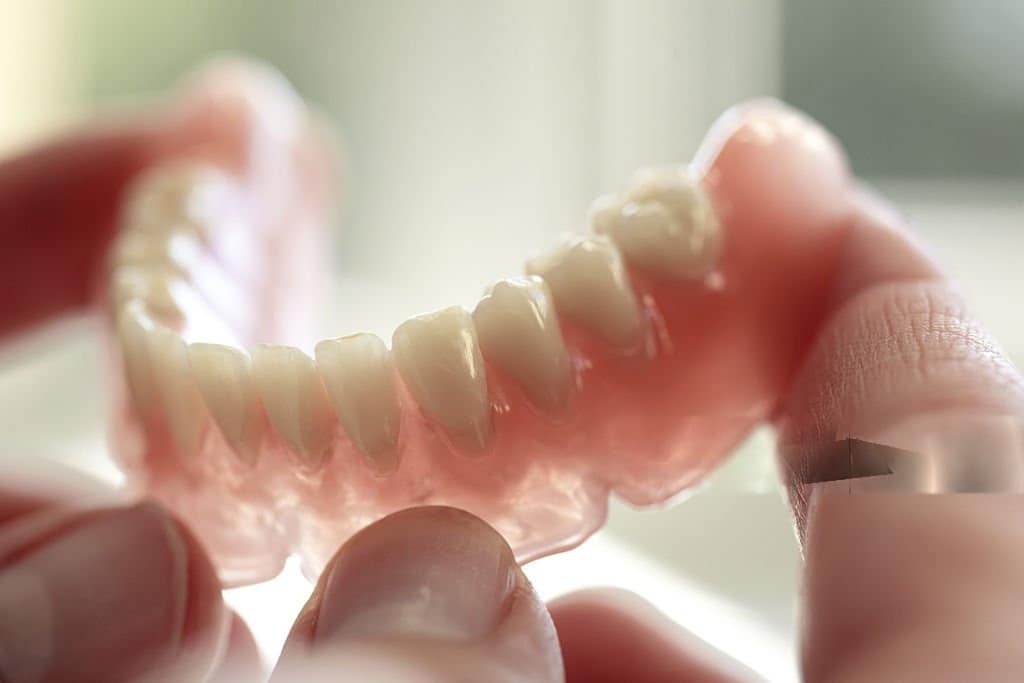 Tooth loss affects more than just your smile—it can also impact the health of your jawbone. Many patients wonder whether dentures can help maintain the health of their jawbone or whether they can actually cause the jawbone to lose mass. By learning more about the way dentures affect the jawbone, you can better understand your options regarding tooth replacement.
Understanding Jawbone Loss After Tooth Loss
Your jawbone requires constant stimulation through your natural teeth to be healthy and strong. However, when you lose a tooth, there will be no more natural stimulation, and your jawbone will, over time, start to decrease, referred to as resorption of the bone. With this, your appearance will change, and your dentures will not fit properly.
Timely replacement of missing teeth helps prevent loss of bone as well as oral dysfunction.
How Traditional Dentures Affect Jawbone Health
Conventional dentures are designed to rest on top of the gums rather than integrate with the jawbone. Although conventional dentures are very useful, as they address the both aesthetic and masticatory disabilities that come with missing teeth, they are not enough to stop the deterioration of the jawbone.
Indeed, ill-fitting dentures have the potential of increasing the loss of bone since pressure is applied to the gums. As the jaw bone shrinks, ill-fitting dentures might become loose.
Can Dentures Help Slow Bone Loss?
Since traditional dentures do not really prevent bone loss, there are still some benefits that dentures can offer. Dentures help distribute chewing pressure evenly around the gums—the chewing pressure should be spread out to minimize extreme pressure on a particular section of the jaw. Dentures help maintain proper occlusion so that there is no strain on other teeth or jaw joints.
Implant-supported dentures are a more advanced option for people seeking optimal jawbone preservation.
Implant-Supported Dentures and Jawbone Preservation
Implant-supported dentures make use of dental implants inserted into the jaw bone. The implant works like a tooth root that simulates the jaw bone during chewing. Doing so maintains the jaw bone density and delays the resorption of the jaw bone.
Unlike other dentures, these implant-supported options offer more stability, comfort, and oral health benefits. Additionally, they allow one to maintain their looks since dentures do not allow bone loss.
The Importance of Proper Denture Fit
Whether using traditional or implant-supported dentures, both require a good fit in order to maintain the jawbone. Poorly fitted dentures lead to uneven pressure, sore spots, and loss of bone at an accelerated rate. Regular dental visits can help your dentist ensure that your dentures fit just right and work the way they are supposed to.
With the constant changes in your oral anatomy, your dentist may opt for a reline, adjustment, or upgrade in dentures.
Supporting Jawbone Health with Good Oral Care
Good gums and jawbone health call for consistent care. Denture cleaning should be done regularly. Massaging your gums is also important because it improves blood circulation. A good diet that contains calcium and vitamin D should be taken because it improves jawbone health.
Talking to someone about your tooth replacement options with a dental professional can guarantee that you make the right choice that aids not only in function but also in the maintenance of healthy bone.
Trusted Denture Care at D. Dental
At D. Dental, patients receive personalized denture solutions designed to restore comfort, function, and long-term oral health. Given their expertise, dentists at D. Dental are able to offer patients personalized dentures that are either conventional or implant dentures. This care encourages patients to take care of their dentures so that their jawbones are not adversely affected. By choosing D. Dental denture care services, any patient can rest assured that he or she is receiving dental care from experts.
Conclusion
While traditional dentures help restore smiles and restore the individual’s ability to chew, there remains the question of whether they address the problem of jawbone recession. For an individual who wishes to have their jawbone preserved, there is no better alternative than implant dentures. With proper care, regular visits to the dentist, and an effective program, dentures can be very beneficial.


 |
|